
A Time-Tested Framework for Discipleship and Learning
Love of Creativity
Description
Through creative expression and exploration, students reflect God’s nature as the ultimate Creator, cultivating imagination, innovation, and a love for beauty in all areas of life.
Outcomes
- Demonstrate an appreciation for beauty, excellence, and craftsmanship in the arts, literature, and the created world.
- Apply creative thinking and innovation in problem-solving, communication, and artistic expression.
- Engage in meaningful creative endeavors, using imagination and skill to bring truth and goodness to life.
- Incorporate creativity into their personal and professional lives, using their gifts to inspire, innovate, and contribute to human flourishing.
Pre-Kindergarten
Approaches
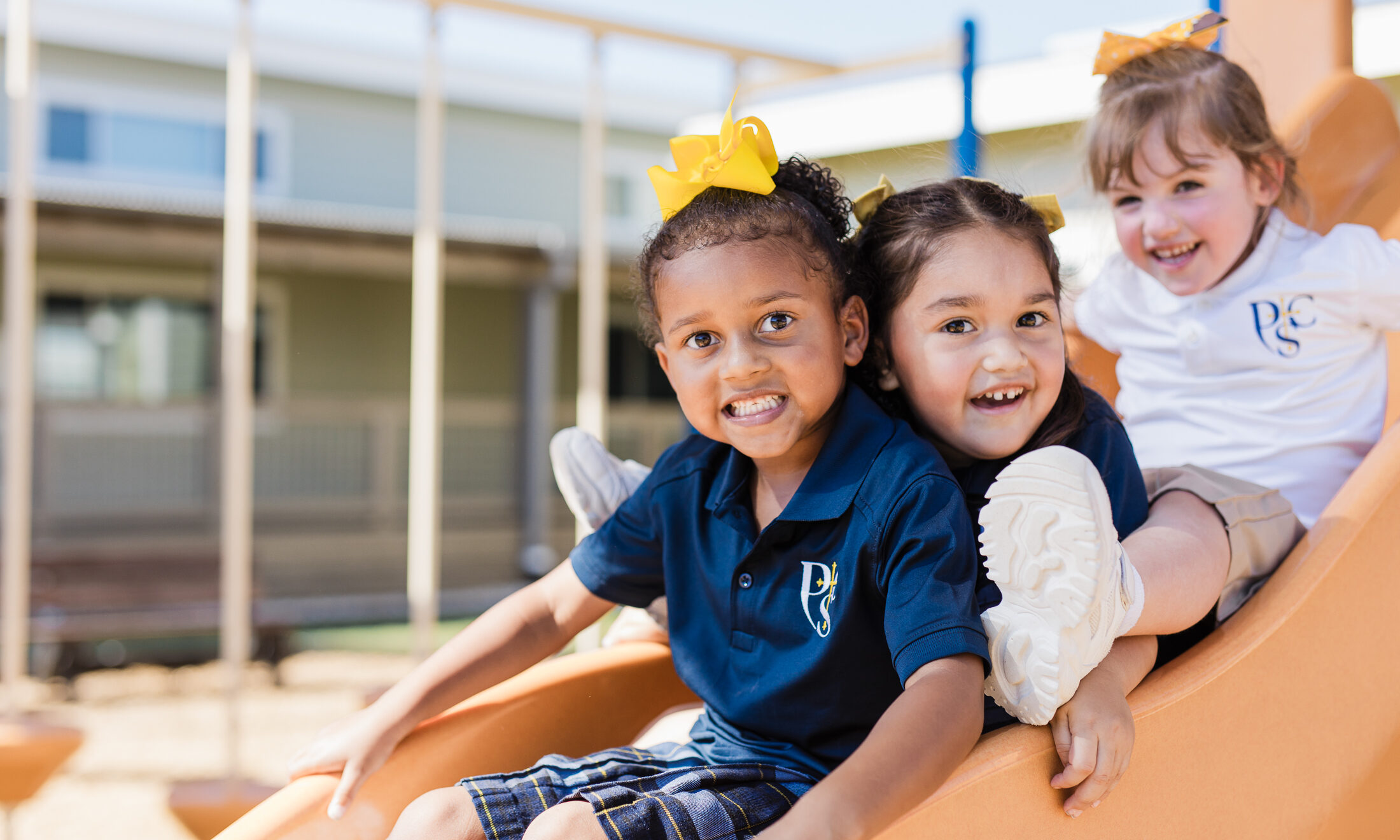
Early learners explore creative expression through music, storytelling, art, and movement, nurturing imagination and sensory engagement.
Experiences
Chant rhythms, sing alphabet songs, and explore steady pitch and beat in music; learn about visual arts through works by Bierstadt, Monet, and Millet.
Enrichment Opportunities
Dramatic play, nature-inspired art projects, seasonal celebrations, and interactive literature experiences provide space for early creative thinking.
Outcomes
Develop a sense of wonder and exploration, laying the foundation for creative problem-solving and artistic expression.
Kindergarten
Approaches
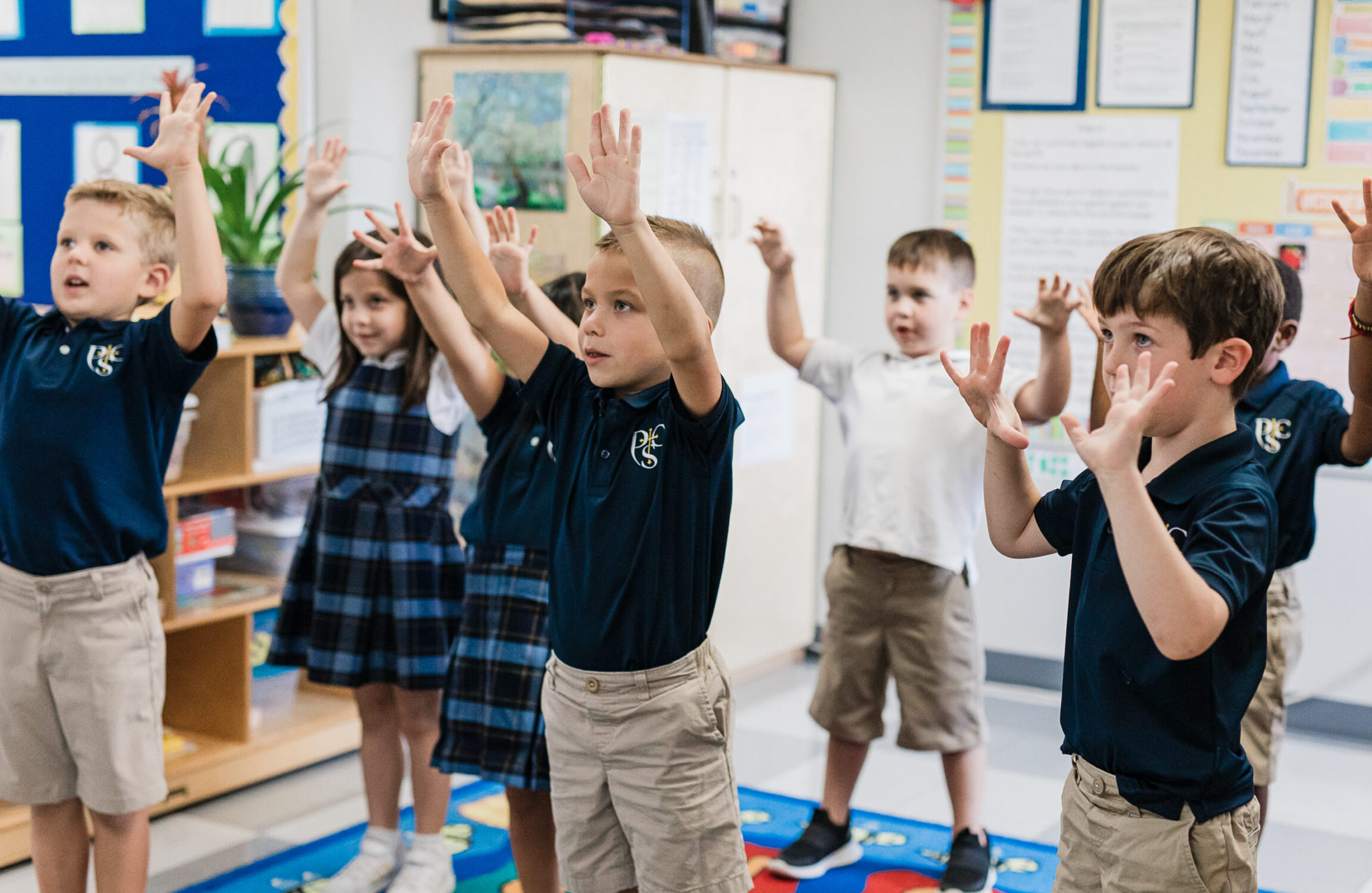
Creativity is woven into daily learning through poetry, music, fine arts, and hands-on projects that bring subjects to life.
Experiences
Matching pitch, learning about classical artists like Rousseau and Audubon, and participating in imaginative storytelling cultivate a love for artistic expression.
Enrichment Opportunities
The Little Red Hen play, The Presidential Wax Museum, and interactive classroom projects allow students to create and present.
Outcomes
Foster early artistic confidence, imagination, and expressive communication through multi-sensory learning.
Lower Elementary (1-3)
Approaches
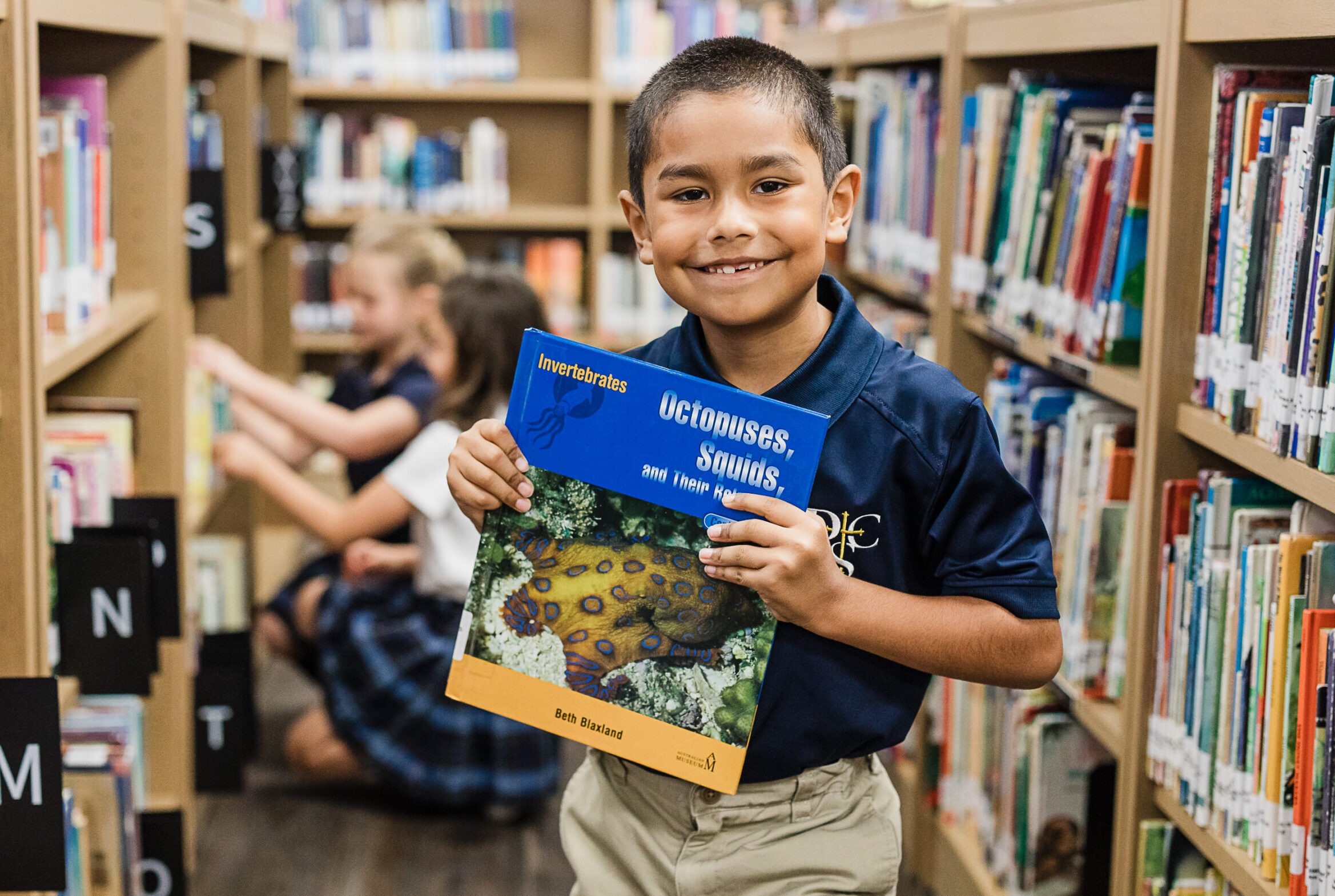
Creativity expands as students write, perform, and create in various disciplines, integrating arts with academics.
Experiences
Music classes focus on composers like Tchaikovsky, Saint-Saëns, and Bach; students engage in dramatic readings and hands-on history projects.
Enrichment Opportunities
State float parades, medieval feasts, Wonka Day, and staged performances encourage creative thinking and historical reenactment.
Outcomes
Develop expressive storytelling, an appreciation for beauty in the arts, and confidence in performance and presentation.
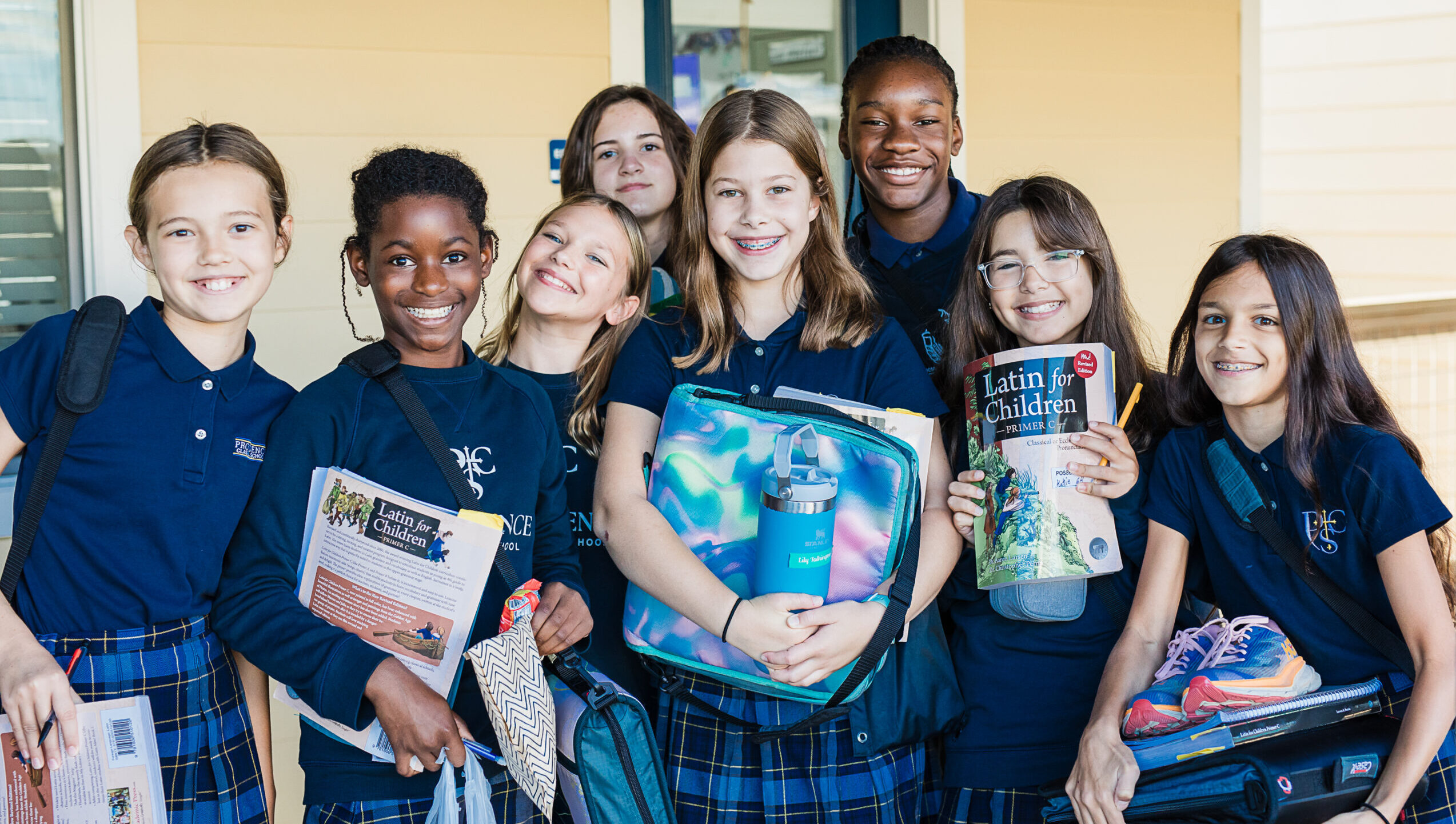
Upper Elementary (4-6)
Approaches
Students refine creative skills through composition, performance, and independent artistic projects.
Experiences
Exploring Renaissance and Baroque artists like Michelangelo, Da Vinci, and Raphael; writing original poems and short plays.
Enrichment Opportunities
Scenes from Shakespeare, science fairs, historical reenactments, and student art showcases cultivate originality and self-expression.
Outcomes
Strengthen creative problem-solving, artistic confidence, and the ability to communicate through various expressive forms.
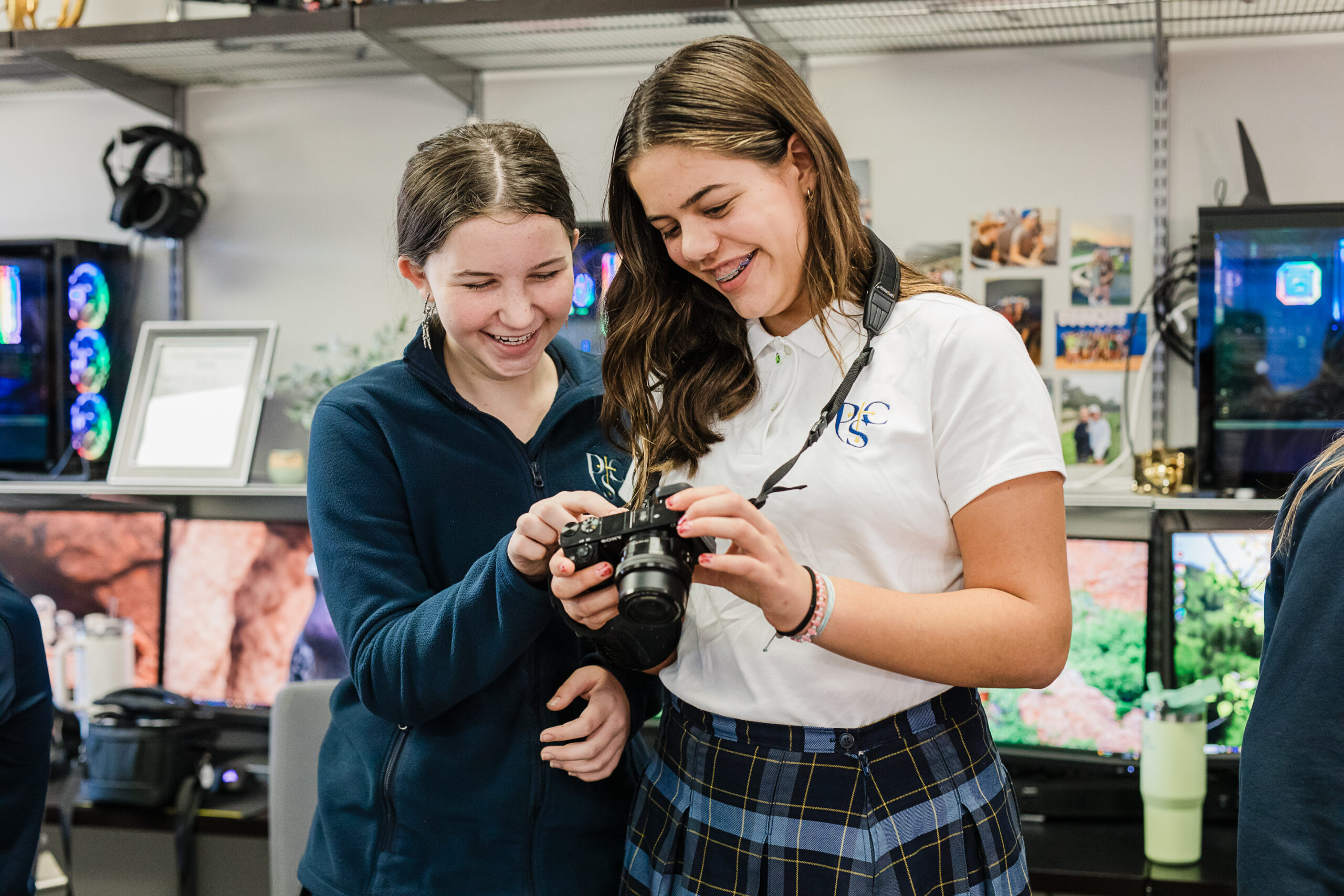
Middle School (7-8)
Approaches
Students engage in advanced storytelling, argumentation, and artistic creation, applying creativity to critical thinking and expression.
Experiences
Exploring poetry from Byron and Wordsworth, engaging in dramatic performance, and crafting persuasive compositions.
Enrichment Opportunities
Photography, drama, advanced art, and strength & conditioning electives expand opportunities for creative exploration.
Outcomes
Build individual artistic and intellectual expression, creative problem-solving, and innovation in communication.
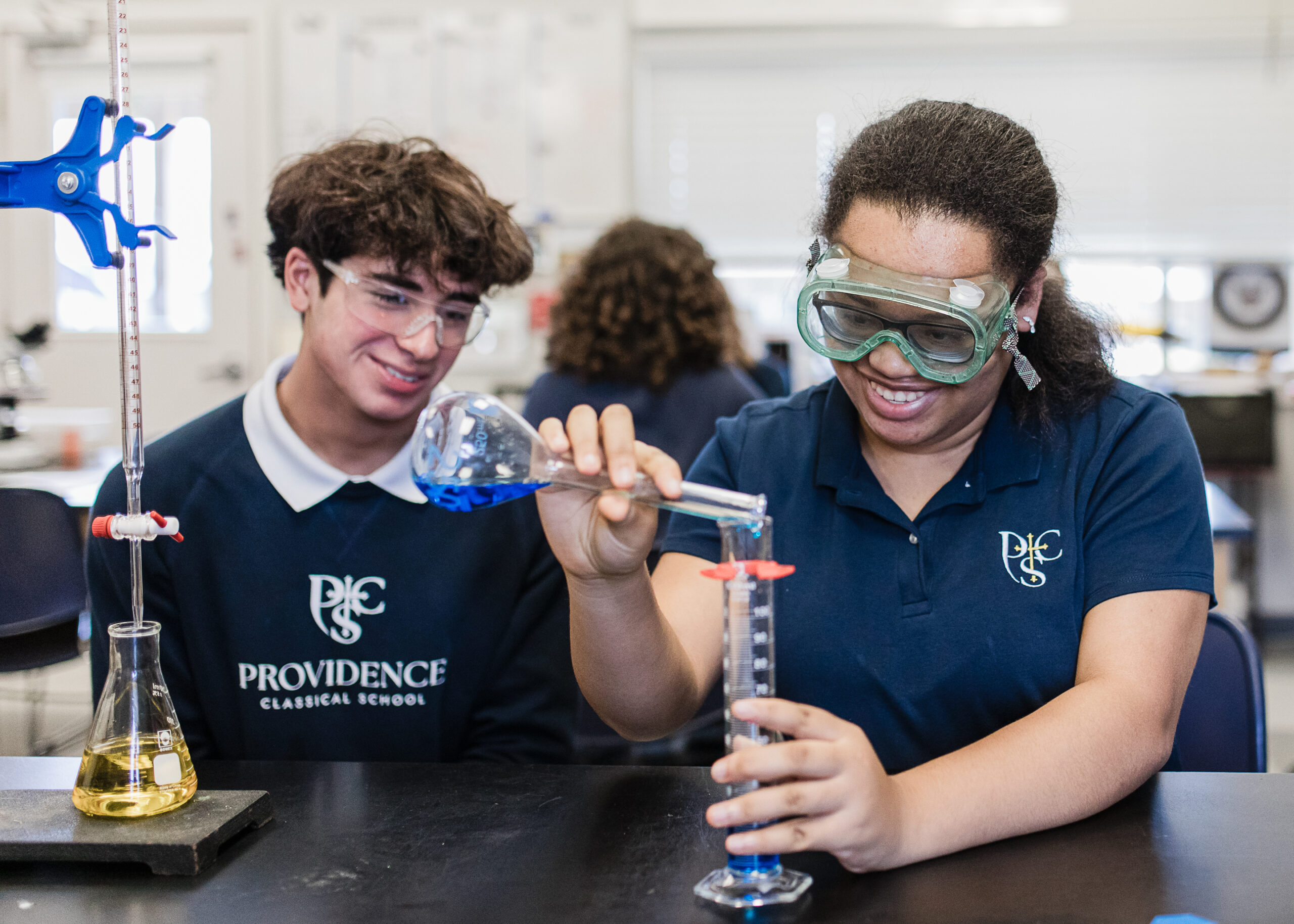
High School (9-12)
Approaches
Creativity reaches its peak as students develop original arguments, artistic works, and visionary projects, applying their skills to Socratic discussions, writing, and fine arts.
Experiences
Engaging with literary and philosophical works from Shakespeare to Aristotle, composing original rhetoric, and refining artistic and musical talents.
Enrichment Opportunities
Electives such as advanced art, drama, creative writing, and music ensembles, alongside student-led publications and performances.
Outcomes
Graduate with the ability to think creatively, express themselves artistically, and innovate in thought and action, prepared to engage the world with beauty and originality.
Approaches
Early learners explore creative expression through music, storytelling, art, and movement, nurturing imagination and sensory engagement.
Experiences
Chant rhythms, sing alphabet songs, and explore steady pitch and beat in music; learn about visual arts through works by Bierstadt, Monet, and Millet.
Enrichment Opportunities
Dramatic play, nature-inspired art projects, seasonal celebrations, and interactive literature experiences provide space for early creative thinking.
Outcomes
Develop a sense of wonder and exploration, laying the foundation for creative problem-solving and artistic expression.
Approaches
Creativity is woven into daily learning through poetry, music, fine arts, and hands-on projects that bring subjects to life.
Experiences
Matching pitch, learning about classical artists like Rousseau and Audubon, and participating in imaginative storytelling cultivate a love for artistic expression.
Enrichment Opportunities
The Little Red Hen play, The Presidential Wax Museum, and interactive classroom projects allow students to create and present.
Outcomes
Foster early artistic confidence, imagination, and expressive communication through multi-sensory learning.
Approaches
Creativity expands as students write, perform, and create in various disciplines, integrating arts with academics.
Experiences
Music classes focus on composers like Tchaikovsky, Saint-Saëns, and Bach; students engage in dramatic readings and hands-on history projects.
Enrichment Opportunities
State float parades, medieval feasts, Wonka Day, and staged performances encourage creative thinking and historical reenactment.
Outcomes
Develop expressive storytelling, an appreciation for beauty in the arts, and confidence in performance and presentation.
Approaches
Students refine creative skills through composition, performance, and independent artistic projects.
Experiences
Exploring Renaissance and Baroque artists like Michelangelo, Da Vinci, and Raphael; writing original poems and short plays.
Enrichment Opportunities
Scenes from Shakespeare, science fairs, historical reenactments, and student art showcases cultivate originality and self-expression.
Outcomes
Strengthen creative problem-solving, artistic confidence, and the ability to communicate through various expressive forms.
Approaches
Students engage in advanced storytelling, argumentation, and artistic creation, applying creativity to critical thinking and expression.
Experiences
Exploring poetry from Byron and Wordsworth, engaging in dramatic performance, and crafting persuasive compositions.
Enrichment Opportunities
Photography, drama, advanced art, and strength & conditioning electives expand opportunities for creative exploration.
Outcomes
Build individual artistic and intellectual expression, creative problem-solving, and innovation in communication.
Approaches
Creativity reaches its peak as students develop original arguments, artistic works, and visionary projects, applying their skills to Socratic discussions, writing, and fine arts.
Experiences
Engaging with literary and philosophical works from Shakespeare to Aristotle, composing original rhetoric, and refining artistic and musical talents.
Enrichment Opportunities
Electives such as advanced art, drama, creative writing, and music ensembles, alongside student-led publications and performances.
Outcomes
Graduate with the ability to think creatively, express themselves artistically, and innovate in thought and action, prepared to engage the world with beauty and originality.