

A Time-Tested Framework for Discipleship and Learning
Love of Learning
Description
Through a robust classical pedagogy, students develop intellectual curiosity and a disciplined mind, cultivating a lifelong love of learning in pursuit of truth and wisdom.
Outcomes
- Demonstrate a lifelong love of learning, approaching knowledge with curiosity, diligence, and humility.
- Apply critical thinking and logical reasoning, evaluating ideas through a biblical worldview and engaging in meaningful discourse.
- Communicate effectively in speech and writing, articulating well-reasoned arguments with clarity and confidence.
- Develop proficiency in subjects through self-guided study, making connections across disciplines and producing thoughtful, high-quality work.
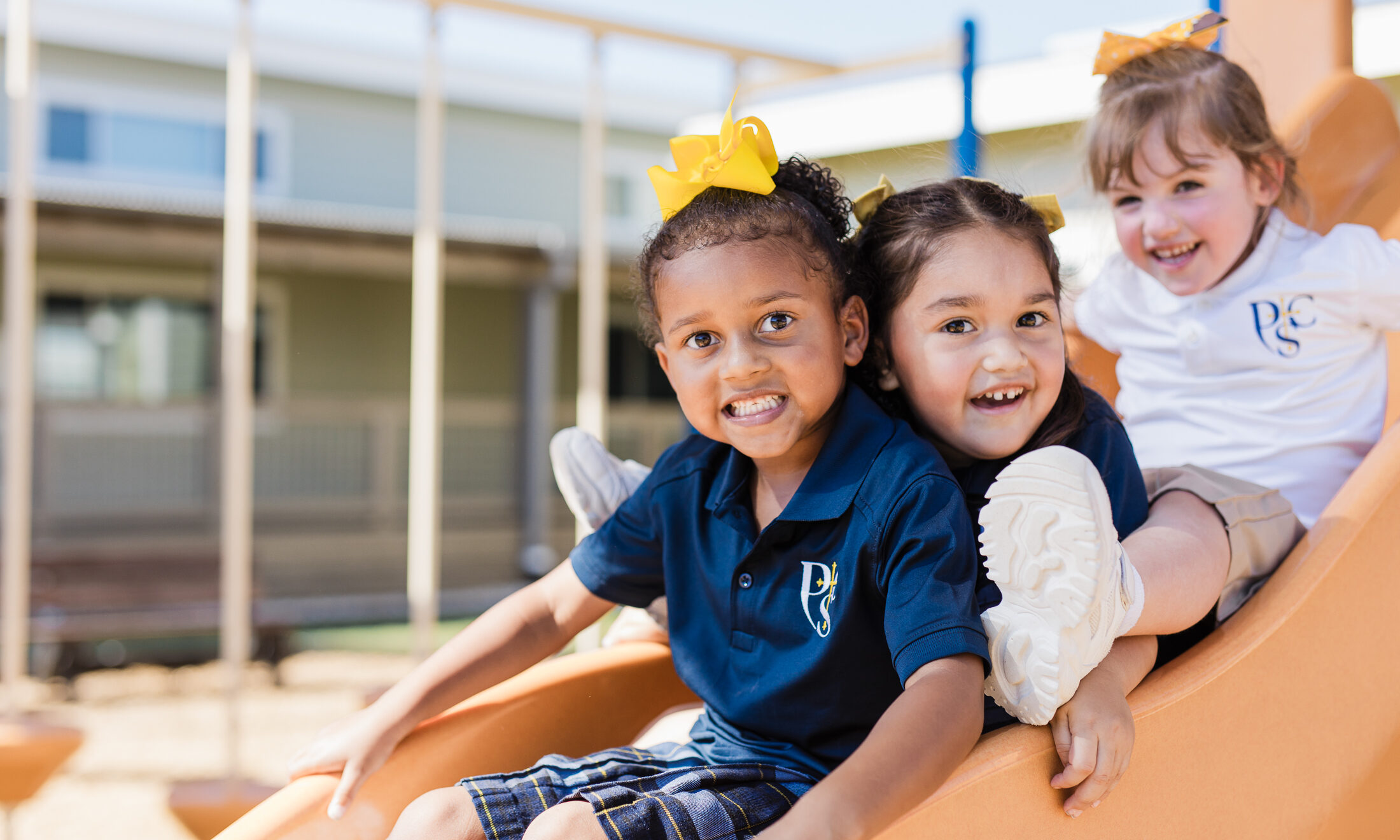
Pre-Kindergarten
Approaches
Early childhood learning is rooted in wonder and discovery, using hands-on experiences to introduce foundational academic concepts in math, language, and science.
Experiences
Students explore patterns, classification, and number sense through Mathematics Their Way and engage in fine and gross motor activities to develop early writing skills.
Enrichment Opportunities
Sensory play, music and movement, literature favorites (The Mitten, The Hungry Caterpillar), and themed seasonal explorations (Thanksgiving, Christmas, Easter).
Outcomes
Cultivate a joy for discovery, develop early literacy and numeracy skills, and engage in multi-sensory learning experiences that make learning fun.
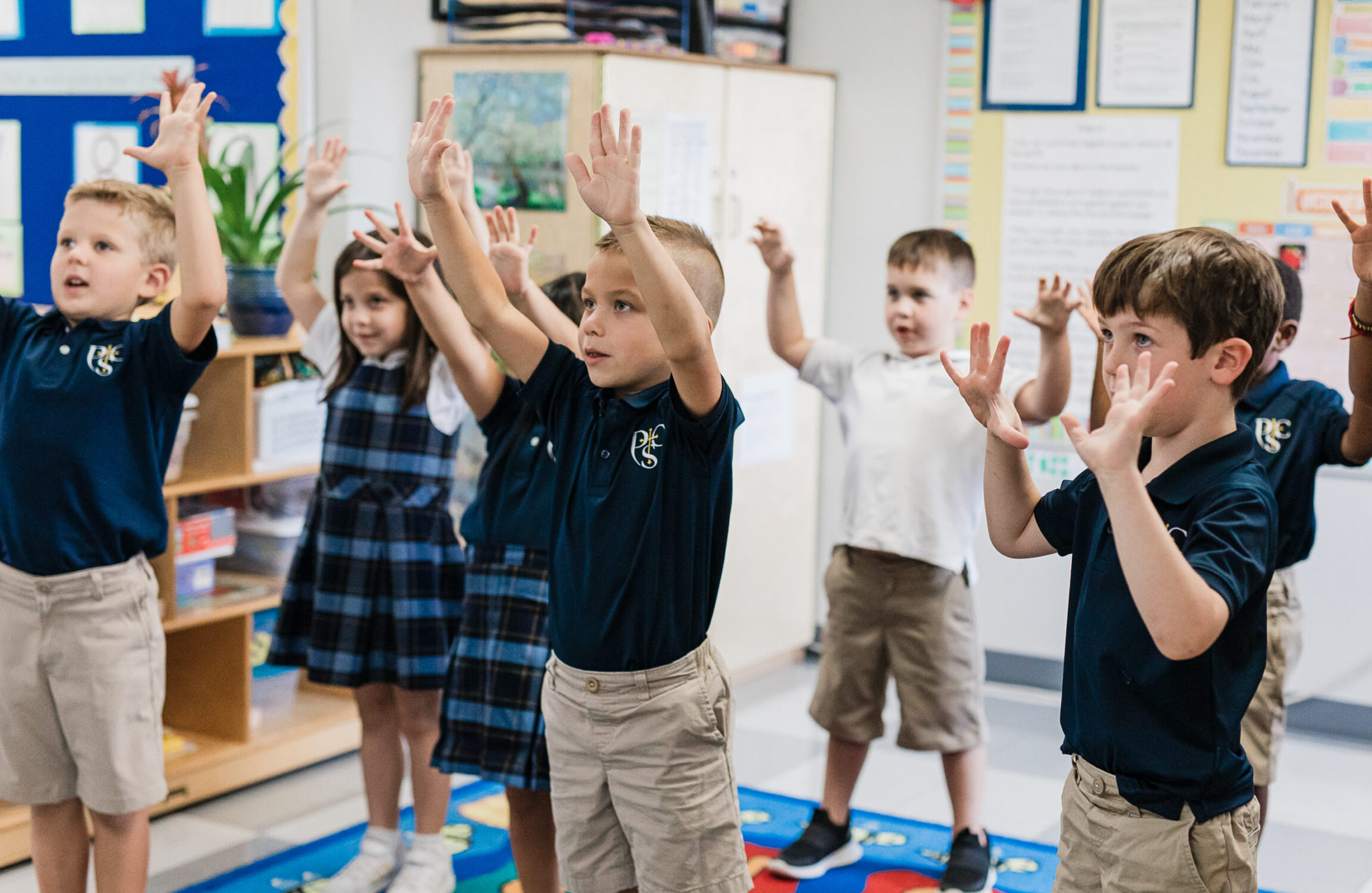
Kindergarten
Approaches
Learning is anchored in stories, songs, and hands-on exploration, with phonics-based reading instruction and narrative-rich history and science.
Experiences
Students develop early composition and penmanship skills, explore the natural world through unit studies on oceans, seasons, and animals, and build number fluency through Math In Focus.
Enrichment Opportunities
Book celebrations, plays, and feasts bring subjects to life, while library visits and read-alouds encourage a love of books.
Outcomes
Strengthen foundational academic skills, develop curiosity through literature and science, and connect learning to real-world experiences.
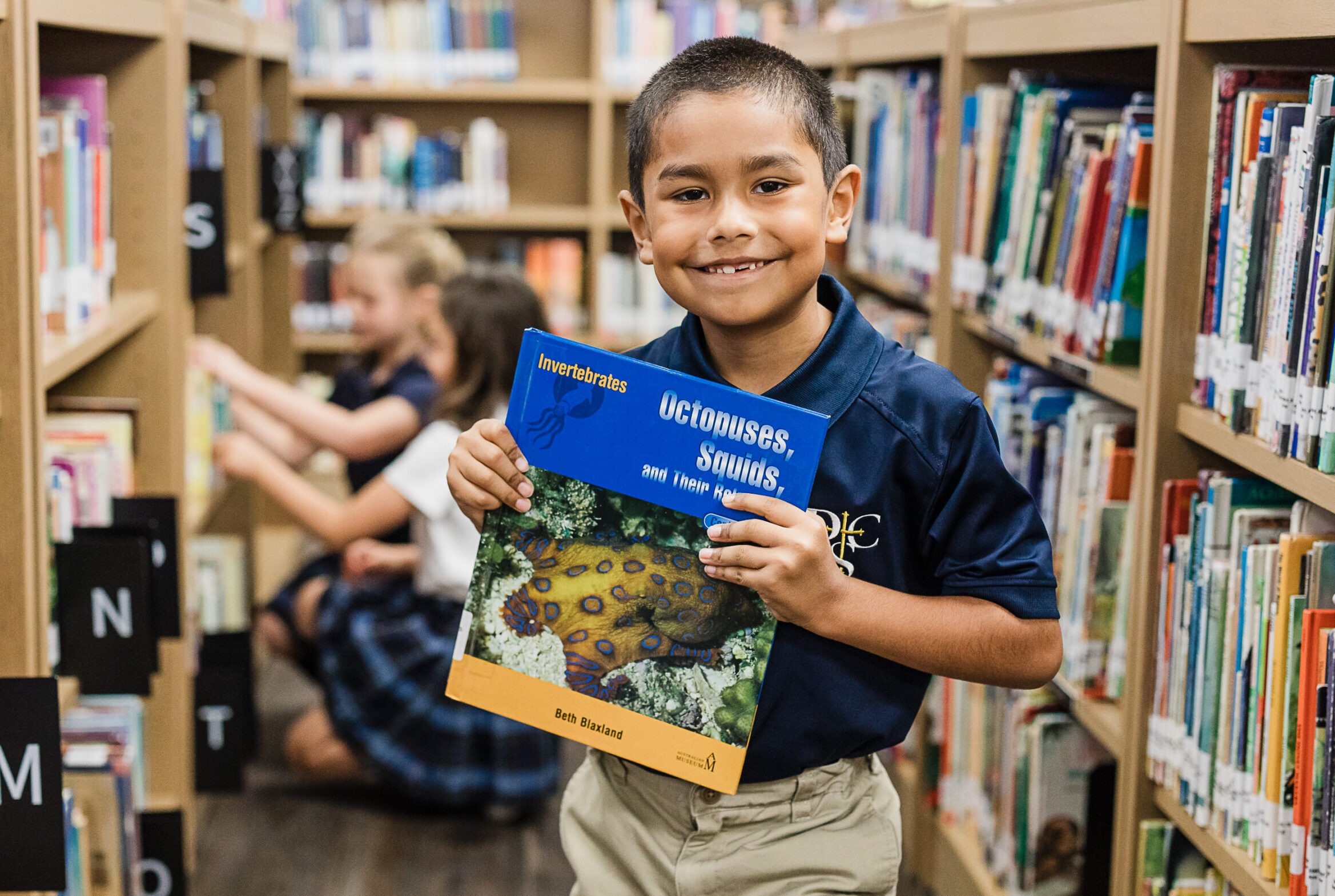
Lower Elementary (1-3)
Approaches
Students build a strong academic foundation in grammar, writing, and arithmetic, with history and science integrated through literature and projects.
Experiences
Phonics-based reading, memory work, and poetry recitation enhance language skills, while hands-on science activities (animal classification, simple machines) deepen scientific thinking.
Enrichment Opportunities
Field trips to the zoo, historical museums, and cultural sites, literature-based projects like Medieval Feasts, and multi-sensory math instruction.
Outcomes
Strengthen critical thinking skills, develop a love for reading, and begin engaging in discussion-based learning to articulate ideas.
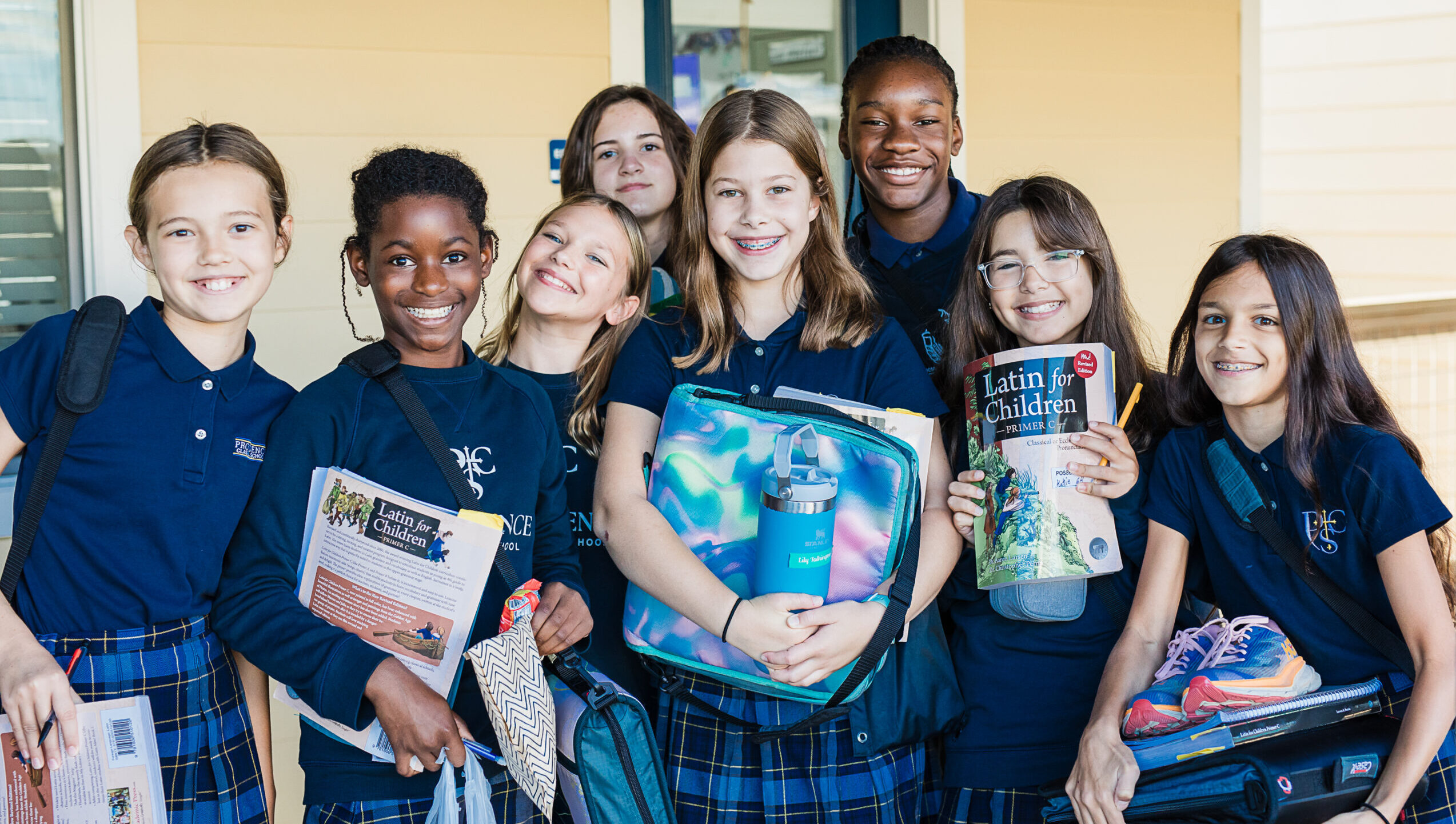
Upper Elementary (4-6)
Approaches
Students begin mastering Latin, composition, and higher-level mathematics, while science, history, and literature encourage integrative thinking and analysis..
Experiences
Hands-on projects, history reenactments, and advanced writing exercises like sentence diagramming and research papers.
Enrichment Opportunities
Shakespeare performances, Latin vocabulary competitions, history fairs, and creative projects deepen subject engagement.
Outcomes
Foster independent learning, strengthen logical reasoning, and develop writing and verbal expression skills.
Middle School (7-8)
Approaches
Students transition to formal logic and structured reasoning, analyzing texts, debating ideas, and making connections across disciplines.
Experiences
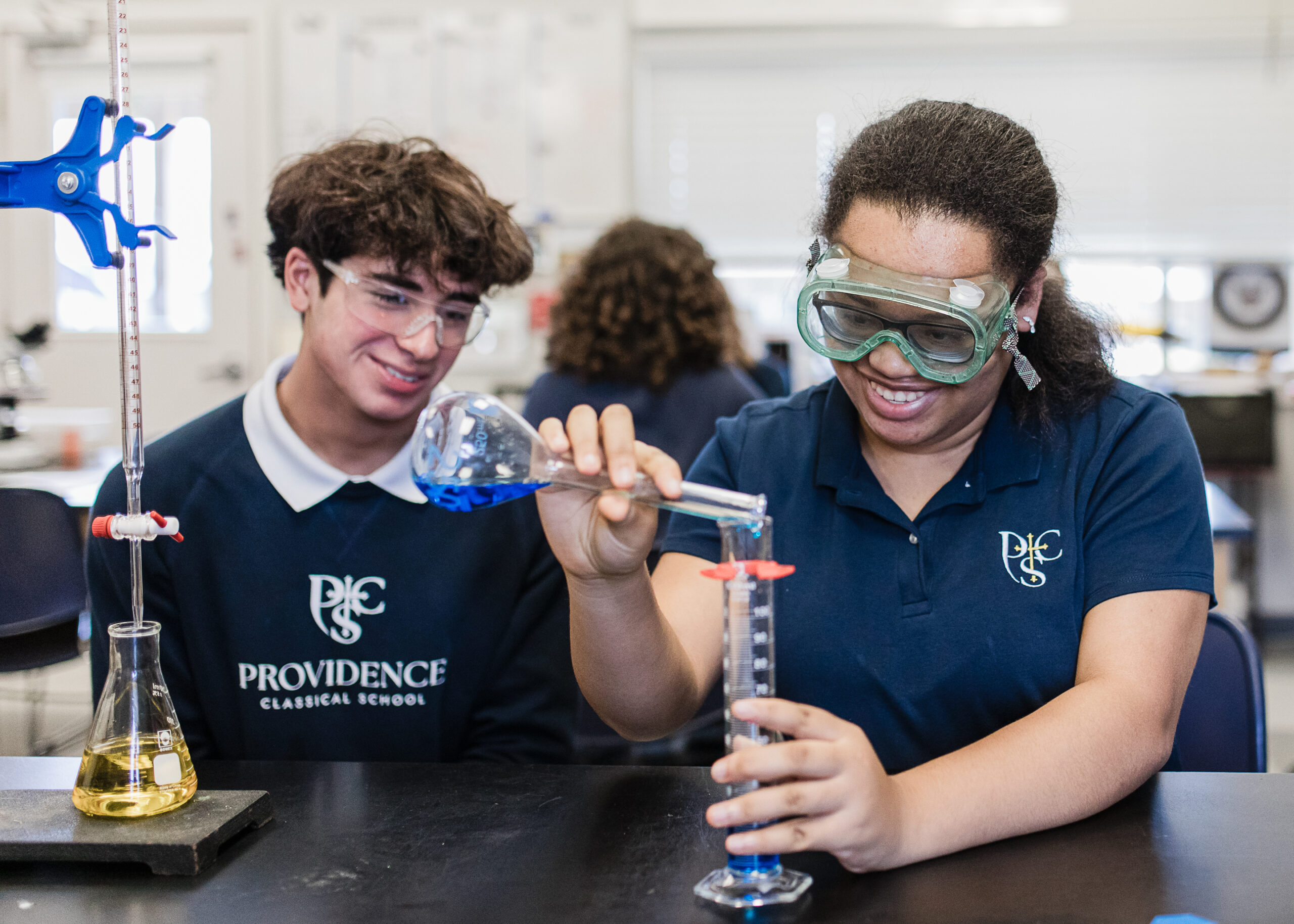
Socratic seminars, research projects, and historical analysis deepen engagement, while science incorporates earth science and physics principles.
Enrichment Opportunities
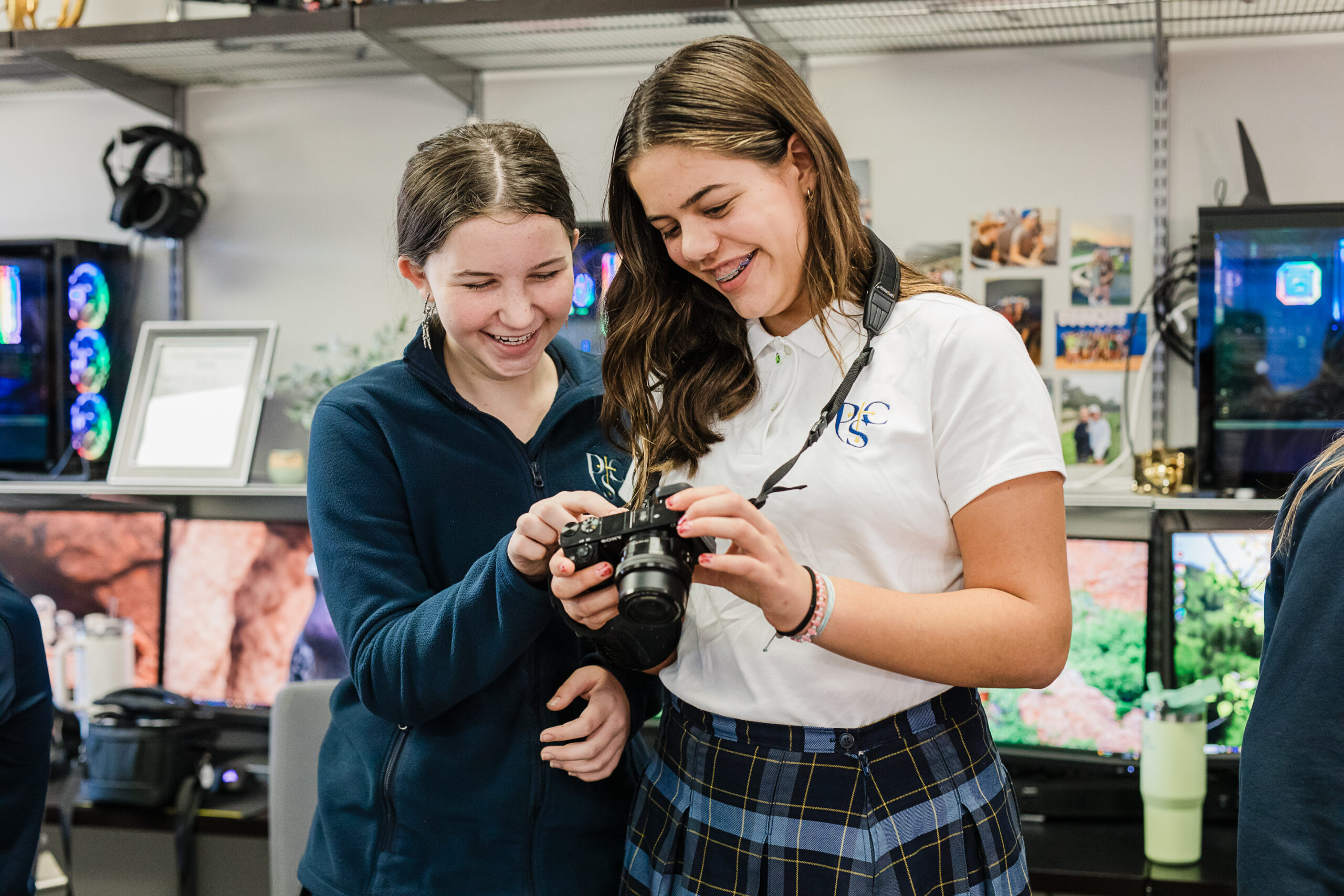
Electives in photography, drama, and advanced art, club participation, and student leadership roles.
Outcomes
Develop critical reasoning, engage in deep inquiry and discussion, and begin forming independent opinions backed by logic.
High School (9-12)
Approaches
Learning is focused on rhetoric, philosophy, and Socratic dialogue, challenging students to synthesize and articulate complex ideas.
Experiences
Students engage in the Great Conversation, write and defend a Senior Thesis, and take part in rigorous coursework in history, literature, and theology.
Enrichment Opportunities
TAPPS academic competitions, Bluebonnet writing club, and internships, along with advanced electives in debate, music, and creative writing.
Outcomes
Graduate as articulate, thoughtful, and intellectually engaged young adults, prepared for lifelong learning and cultural engagement.
Approaches
Early childhood learning is rooted in wonder and discovery, using hands-on experiences to introduce foundational academic concepts in math, language, and science.
Experiences
Students explore patterns, classification, and number sense through Mathematics Their Way and engage in fine and gross motor activities to develop early writing skills.
Enrichment Opportunities
Sensory play, music and movement, literature favorites (The Mitten, The Hungry Caterpillar), and themed seasonal explorations (Thanksgiving, Christmas, Easter).
Outcomes
Cultivate a joy for discovery, develop early literacy and numeracy skills, and engage in multi-sensory learning experiences that make learning fun.
Approaches
Learning is anchored in stories, songs, and hands-on exploration, with phonics-based reading instruction and narrative-rich history and science.
Experiences
Students develop early composition and penmanship skills, explore the natural world through unit studies on oceans, seasons, and animals, and build number fluency through Math In Focus.
Enrichment Opportunities
Book celebrations, plays, and feasts bring subjects to life, while library visits and read-alouds encourage a love of books.
Outcomes
Strengthen foundational academic skills, develop curiosity through literature and science, and connect learning to real-world experiences.
Approaches
Students build a strong academic foundation in grammar, writing, and arithmetic, with history and science integrated through literature and projects.
Experiences
Phonics-based reading, memory work, and poetry recitation enhance language skills, while hands-on science activities (animal classification, simple machines) deepen scientific thinking.
Enrichment Opportunities
Field trips to the zoo, historical museums, and cultural sites, literature-based projects like Medieval Feasts, and multi-sensory math instruction.
Outcomes
Strengthen critical thinking skills, develop a love for reading, and begin engaging in discussion-based learning to articulate ideas.
Approaches
Students begin mastering Latin, composition, and higher-level mathematics, while science, history, and literature encourage integrative thinking and analysis..
Experiences
Hands-on projects, history reenactments, and advanced writing exercises like sentence diagramming and research papers.
Enrichment Opportunities
Shakespeare performances, Latin vocabulary competitions, history fairs, and creative projects deepen subject engagement.
Outcomes
Foster independent learning, strengthen logical reasoning, and develop writing and verbal expression skills.
Approaches
Students transition to formal logic and structured reasoning, analyzing texts, debating ideas, and making connections across disciplines.
Experiences
Socratic seminars, research projects, and historical analysis deepen engagement, while science incorporates earth science and physics principles.
Enrichment Opportunities
Electives in photography, drama, and advanced art, club participation, and student leadership roles.
Outcomes
Develop critical reasoning, engage in deep inquiry and discussion, and begin forming independent opinions backed by logic.
Approaches
Learning is focused on rhetoric, philosophy, and Socratic dialogue, challenging students to synthesize and articulate complex ideas.
Experiences
Students engage in the Great Conversation, write and defend a Senior Thesis, and take part in rigorous coursework in history, literature, and theology.
Enrichment Opportunities
TAPPS academic competitions, Bluebonnet writing club, and internships, along with advanced electives in debate, music, and creative writing.
Outcomes
Graduate as articulate, thoughtful, and intellectually engaged young adults, prepared for lifelong learning and cultural engagement.