

A Time-Tested Framework for Discipleship and Learning
Love of Neighbor
Description
Through discipleship and acts of service, students learn to contribute to the various communities to which they belong, fostering relationships marked by humility, grace, and Christ-like love.
Outcomes
- Demonstrate a heart for service, taking initiative to meet the needs of others in their home, church, school, and broader community.
- Apply biblical principles of humility, compassion, and reconciliation, treating others with respect and honoring authority.
- Engage in meaningful relationships, strengthening family bonds, fostering friendships, and building unity within the school community.
- Lead and follow well, recognizing when to serve, when to lead, and how to work collaboratively toward a common good.

Pre-Kindergarten
Approaches
Early learners develop an understanding of kindness, friendship, and community through Bible stories, catechism memorization, and daily interactions.
Experiences
Learning to share, practicing hospitality through class activities, and role-playing how to care for others.
Enrichment Opportunities
Buddy programs with older students, simple service projects, and class discussions on how to show love to friends and family.
Outcomes
Build early habits of empathy, generosity, and respect, learning to see others as valuable members of God’s creation.
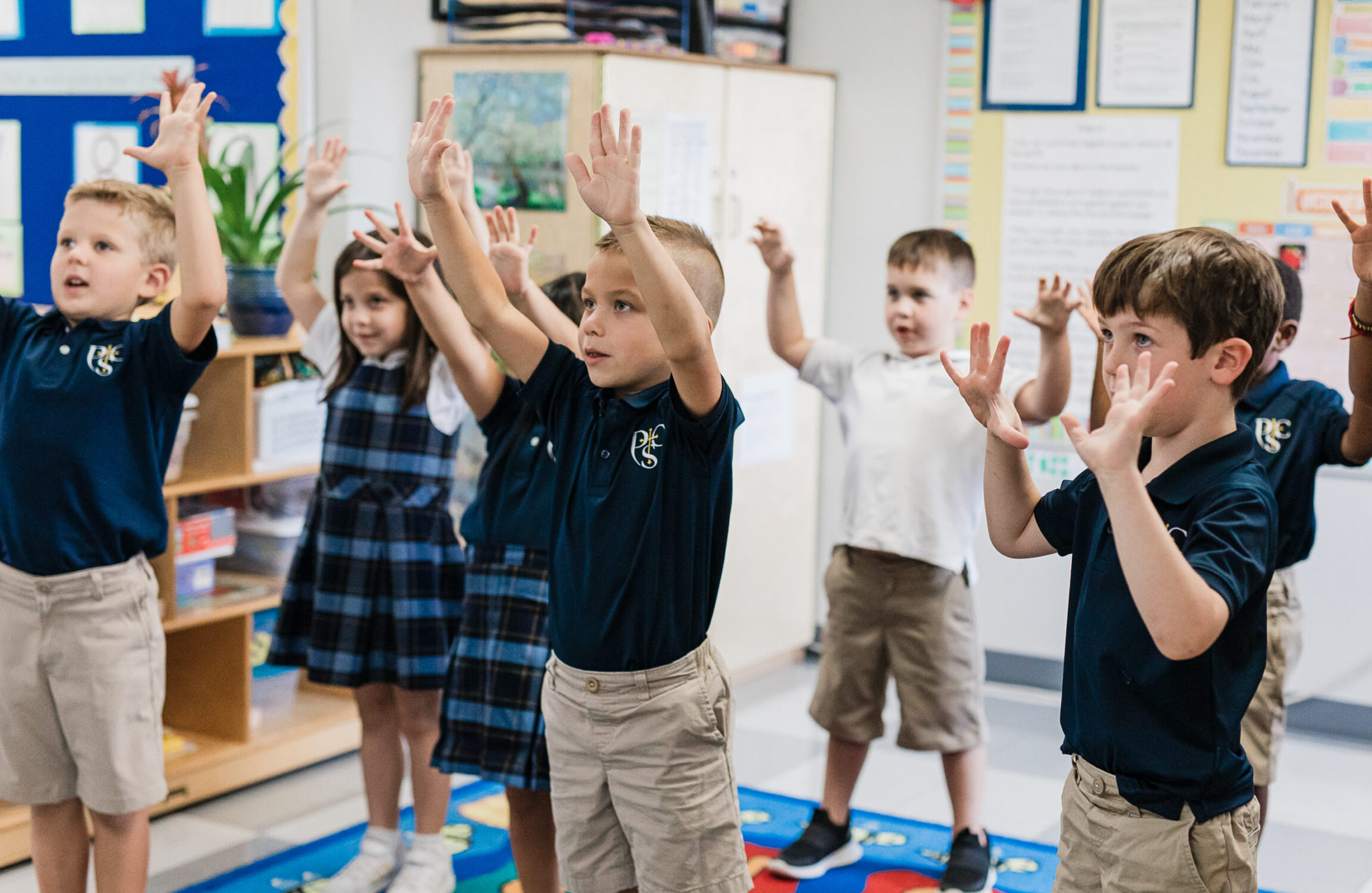
Kindergarten
Approaches
Biblical teaching on loving others is reinforced through Scripture recitation, catechism study, and classroom discussions on friendship and service.
Experiences
Group prayer, shared classroom responsibilities, and learning about biblical commands to love others.
Enrichment Opportunities
Service projects, visits to elderly neighbors, teamwork-based activities, and acts of kindness challenges.
Outcomes
Strengthen Christ-like love, develop a heart for service, and practice kindness and respect in daily life.
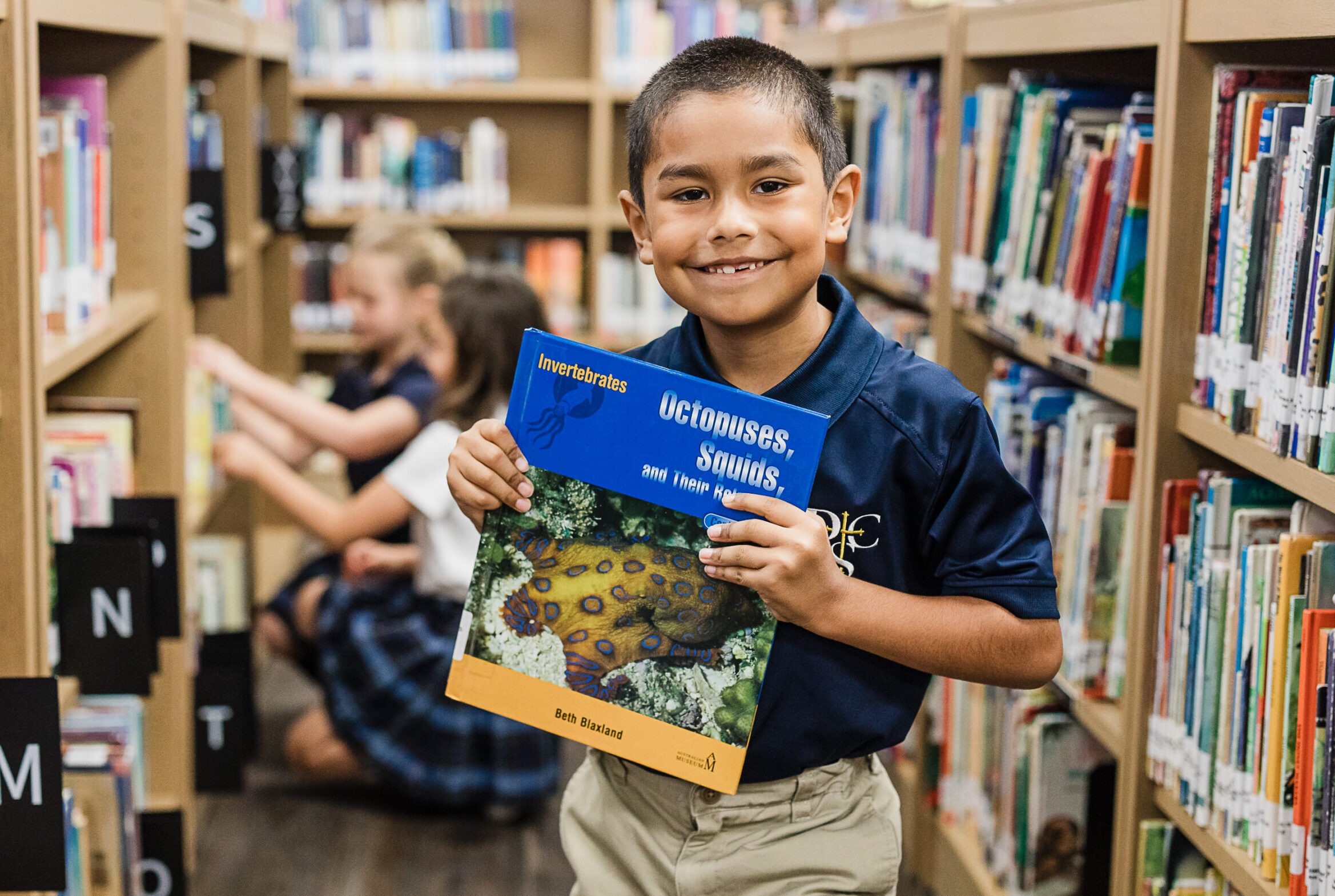
Lower Elementary (1-3)
Approaches
Students begin applying biblical principles of love, hospitality, and selflessness, learning how their actions impact others.
Experiences
Participating in chapel buddy programs, peer mentoring, and classroom activities that reinforce cooperation and kindness.
Enrichment Opportunities
Community-building events such as Book Celebrations, Passover reenactments, and historical feasts that emphasize shared traditions and hospitality.
Outcomes
Cultivate a heart for service, strengthen relational skills, and learn to prioritize others in daily interactions.

Upper Elementary (4-6)
Approaches
Students engage in biblical worldview discussions that connect faith to how they interact with others in school, home, and the community.
Experiences
Service-focused class projects, student leadership in chapel, and discussions on responsibility and integrity.
Enrichment Opportunities
Field trips to historical sites, community service partnerships, and roles in mentoring younger students.
Outcomes
Develop leadership skills, empathy, and a deeper understanding of what it means to be a Christ-like neighbor.

Middle School (7-8)
Approaches
Biblical hermeneutics and formal logic help students refine their understanding of moral responsibility and ethical reasoning.
Experiences
Community service projects, outreach initiatives, and engagement with historical Christian role models.
Enrichment Opportunities
House system mentorship, student-led service projects, and involvement in leadership roles within the school community.
Outcomes
Deepen empathy, practice servant leadership, and apply biblical principles to selfless love and responsibility toward others.

High School (9-12)
Approaches
Advanced biblical studies and systematic theology encourage students to think deeply about love, justice, and service in the Christian life.
Experiences
Leading service initiatives, participating in mission work, and discussing ethical dilemmas in light of Scripture.
Enrichment Opportunities
Ministry internships, school service leadership, mentoring younger students, and roles in community engagement programs.
Outcomes
Exhibit Christ-like leadership, engage in meaningful service, and develop a lifelong commitment to loving and serving others.
Approaches
Early learners develop an understanding of kindness, friendship, and community through Bible stories, catechism memorization, and daily interactions.
Experiences
Learning to share, practicing hospitality through class activities, and role-playing how to care for others.
Enrichment Opportunities
Buddy programs with older students, simple service projects, and class discussions on how to show love to friends and family.
Outcomes
Build early habits of empathy, generosity, and respect, learning to see others as valuable members of God’s creation.
Approaches
Biblical teaching on loving others is reinforced through Scripture recitation, catechism study, and classroom discussions on friendship and service.
Experiences
Group prayer, shared classroom responsibilities, and learning about biblical commands to love others.
Enrichment Opportunities
Service projects, visits to elderly neighbors, teamwork-based activities, and acts of kindness challenges.
Outcomes
Strengthen Christ-like love, develop a heart for service, and practice kindness and respect in daily life.
Approaches
Students begin applying biblical principles of love, hospitality, and selflessness, learning how their actions impact others.
Experiences
Participating in chapel buddy programs, peer mentoring, and classroom activities that reinforce cooperation and kindness.
Enrichment Opportunities
Community-building events such as Book Celebrations, Passover reenactments, and historical feasts that emphasize shared traditions and hospitality.
Outcomes
Cultivate a heart for service, strengthen relational skills, and learn to prioritize others in daily interactions.
Approaches
Students engage in biblical worldview discussions that connect faith to how they interact with others in school, home, and the community.
Experiences
Service-focused class projects, student leadership in chapel, and discussions on responsibility and integrity.
Enrichment Opportunities
Field trips to historical sites, community service partnerships, and roles in mentoring younger students.
Outcomes
Develop leadership skills, empathy, and a deeper understanding of what it means to be a Christ-like neighbor.
Approaches
Biblical hermeneutics and formal logic help students refine their understanding of moral responsibility and ethical reasoning.
Experiences
Community service projects, outreach initiatives, and engagement with historical Christian role models.
Enrichment Opportunities
House system mentorship, student-led service projects, and involvement in leadership roles within the school community.
Outcomes
Deepen empathy, practice servant leadership, and apply biblical principles to selfless love and responsibility toward others.
Approaches
Advanced biblical studies and systematic theology encourage students to think deeply about love, justice, and service in the Christian life.
Experiences
Leading service initiatives, participating in mission work, and discussing ethical dilemmas in light of Scripture.
Enrichment Opportunities
Ministry internships, school service leadership, mentoring younger students, and roles in community engagement programs.
Outcomes
Exhibit Christ-like leadership, engage in meaningful service, and develop a lifelong commitment to loving and serving others.