


3-Day vs. 5-Day Kindergarten: How to Make the Best Choice for Your Child
By Alicia Derheim, Kindergarten Teacher
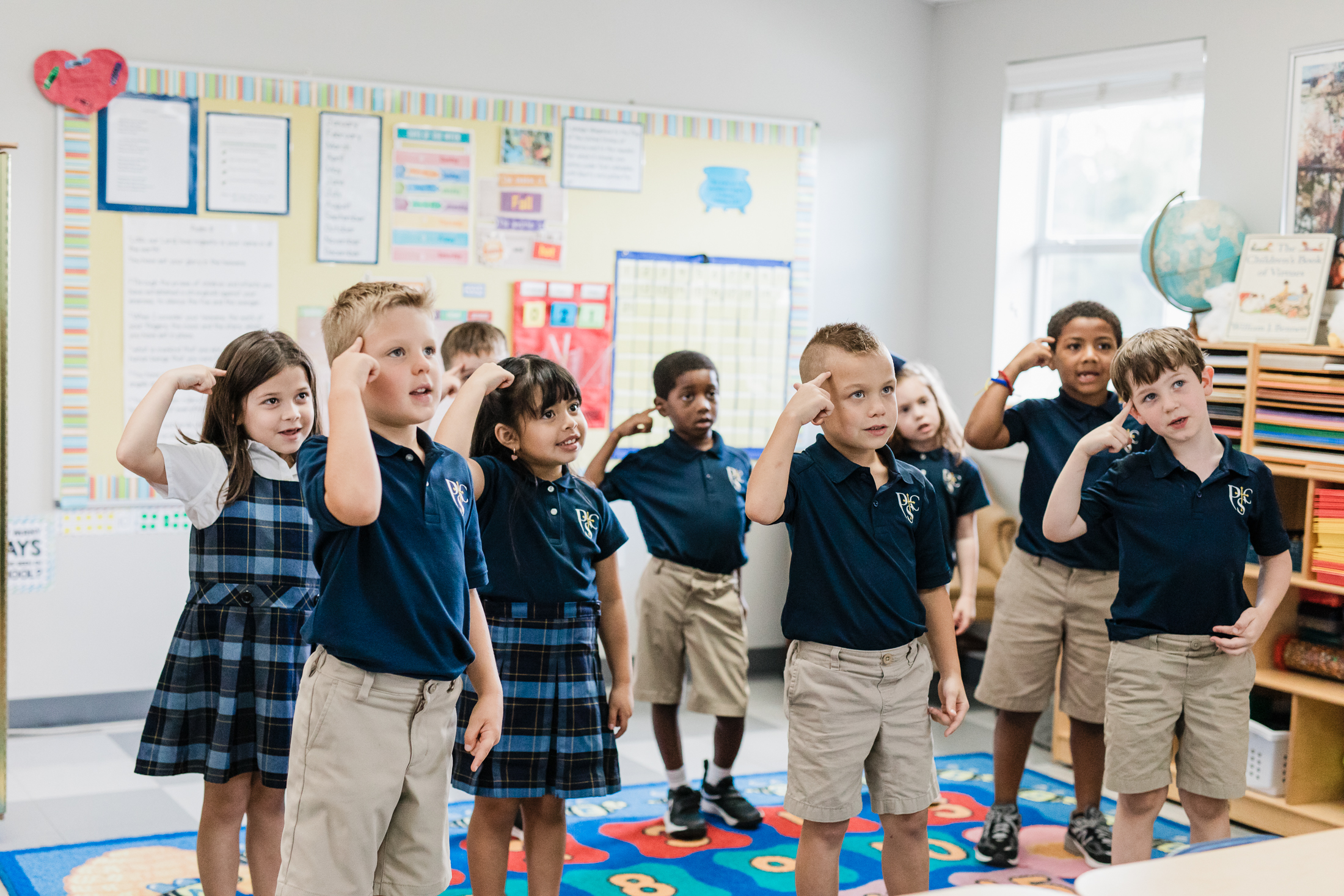
Choosing a kindergarten program is one of the first major educational decisions families make — and it can feel surprisingly weighty. Parents often wonder: Is my child ready for five full days? Would a three-day schedule be a better transition? Will they be academically prepared either way? The good news is that there isn’t a one-size-fits-all answer. The best choice depends on your child’s developmental readiness, your family’s rhythms, and the specific structure of the school you’re considering.
At Providence Classical School, families have the flexibility to choose between 3-Day Kindergarten (Monday/Wednesday/Friday) or 5-Day Kindergarten (Monday–Friday) with both options intentionally designed to prepare students equally well for first grade. Understanding how each program works and how to evaluate your child’s needs can help you make a confident and peaceful decision. And best of all, if your child’s needs or family’s circumstances change during the school year, you can seamlessly transition from one model to the other.
This guide will help you understand the differences between schedules, evaluate your child’s readiness, and confidently choose the path that best supports your family.
What Does a Typical Kindergarten Day Look Like?
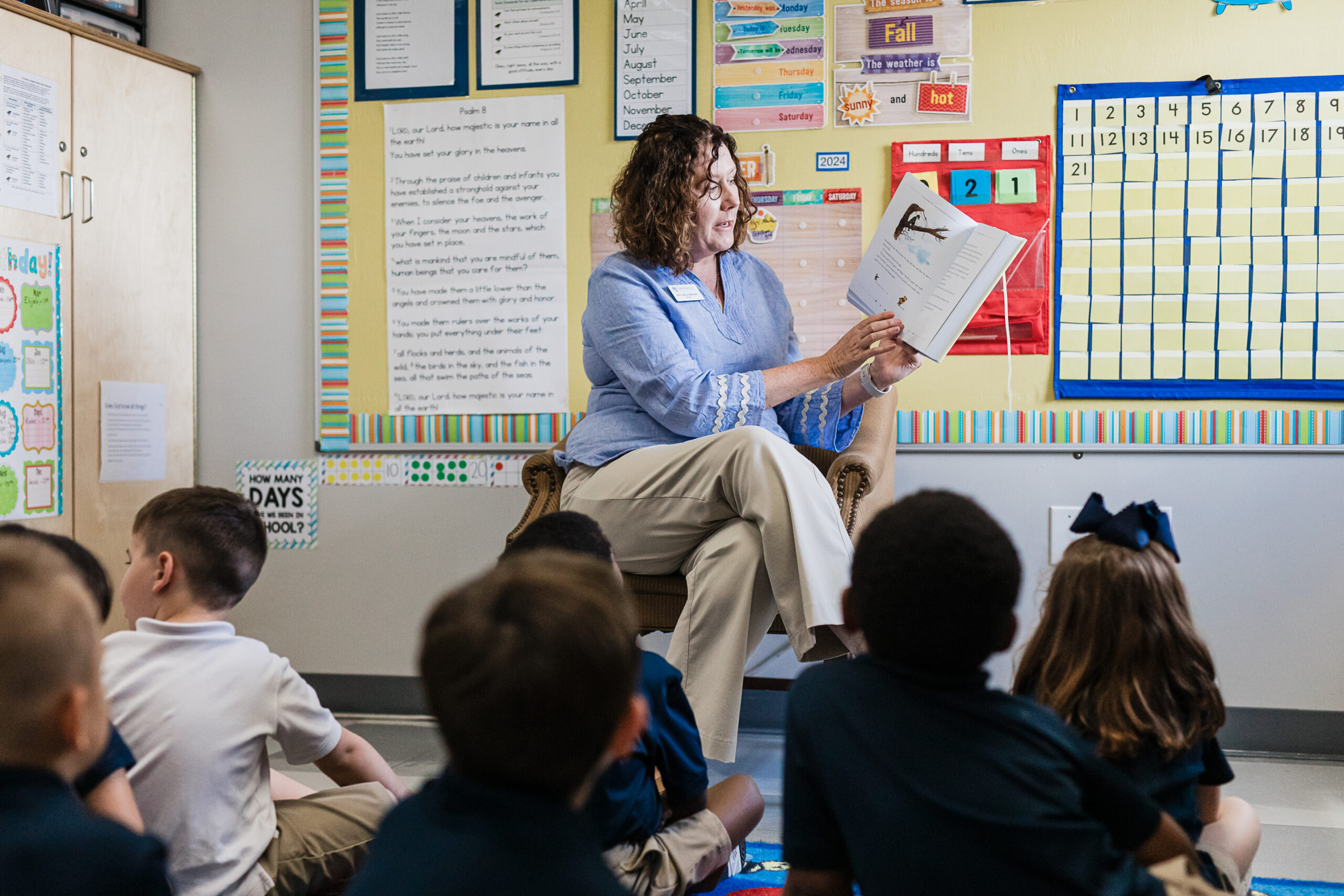
A typical kindergarten day is intentionally balanced to nurture both academic growth and joyful discovery. Students begin with structured community-building through morning meetings, which help develop classroom relationships and establish routines. Faith formation is woven into the day through Bible instruction and recitation, reflecting the school’s classical Christian foundation.
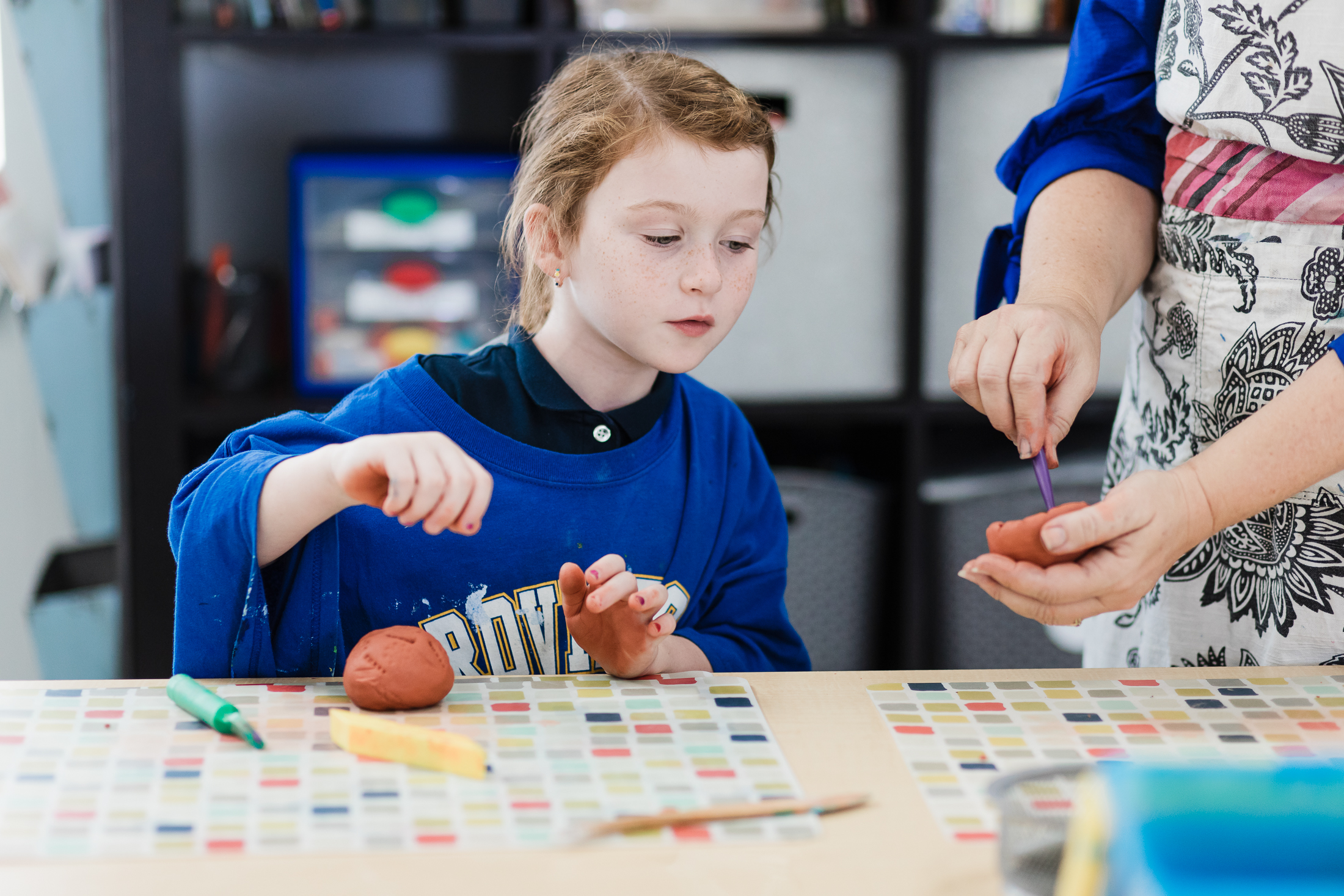
Academic instruction includes phonics, reading, handwriting, and mathematics, supported by small-group instruction and learning centers that allow teachers to meet students where they are developmentally. Throughout the day, children also participate in enrichment opportunities such as library, art, music, and physical education, along with unit studies that integrate hands-on learning and curiosity-driven exploration.
Snack breaks, recess, and story time provide opportunities for movement and imaginative engagement. This rhythm reflects an understanding that young learners grow best in environments that balance structured instruction with creativity, play, and relational connection.
3-Day or 5-Day Kindergarten: Both Paths Can Lead to Success
One of the biggest fears parents have is that choosing fewer school days might put their child behind. A strong kindergarten program should ensure that either option provides a solid academic and social foundation.
At PCS, for example:
• 3-day and 5-day students learn in the same classrooms.
• Teachers follow the same lesson plans for all students.
• There are three kindergarten classrooms, and students experience the same curriculum regardless of schedule.
• Both programs are intentionally structured so students are equally prepared for first grade.
This consistency matters. When children remain part of the same classroom community, friendships form naturally, classroom expectations stay clear, and transitions between schedules feel seamless.

What’s the Real Difference Between 3-Day and 5-Day Kindergarten?
The primary distinction is simply time spent on campus versus learning at home. Because both schedules share the same academic framework and classroom environment, families are truly choosing between weekly rhythms rather than academic quality.
5-Day Kindergarten
• Students attend school every weekday from 8:00 a.m. to 3:00 p.m.
• After-school care is available until 5:30 p.m. each day for an additional fee.
• Daily routines help reinforce academic skills through repetition and structure.
• Teachers guide learning throughout the week, including practice and reinforcement.
• Students participate in Grammar School Chapel each Wednesday and Combined Chapel with their Upper School chapel buddy once a month. They also enjoy playtime with their chapel buddy once a month.
• Students visit the Library and receive one Art, one P.E., two Motor Lab, and two Music periods each week.
3-Day Kindergarten
• Students attend school Monday, Wednesday, and Friday from 8:00 a.m. to 3:00 p.m.
• After-school care is available until 5:30 p.m. each day for an additional fee.
• Parents should expect to engage their children in learning and enrichment on Tuesdays and Thursdays.
Importantly, PCS does not provide homework for days when students are not on campus. Instead, families are encouraged to focus on foundational practices such as phonograms, handwriting, reading together, character formation, and reinforcing foundational skills at a pace appropriate for their child.
Teachers provide feedback to help parents understand how their child is progressing and whether additional at-home practice is helpful.
• Students participate in Grammar School Chapel each Wednesday and Combined Chapel with their Upper School chapel buddy once a month. They also enjoy playtime with their chapel buddy once a month.
• Students receive one P.E., Art, and Music class each week.
How to Decide: Key Questions for Families
While school structure matters, your child’s individual needs and personality are just as important. Here are some helpful considerations.
1. Consider Your Child’s Developmental Readiness
Every child enters kindergarten at a unique stage of maturity. Ask yourself:
• Does my child thrive with routine and predictability?
• Do they have the stamina for a full week of structured learning and enrichment classes?
• Will my child need additional time each week focused on developing fine and gross motor skills, a foundation in reading, and soft skills such as staying attentive and playing well with others?
• Would my child benefit from a “bridge” year before starting 5-day Kindergarten?
Some parents choose to give their child what we like to call “the gift of time,” an extra year to grow and develop before starting full-time school – especially if their child was born later in the school year and would be younger than most of their classmates. These families enroll their child in 3-day Kindergarten for a year, and then 5-day Kindergarten the following year.
Some children flourish with daily structure and benefit from the repetition of a five-day schedule. Others may benefit from a slower transition into formal education, making a three-day option appealing.
2. Think About Your Family’s Weekly Rhythm
Practical logistics matter more than many parents expect.
• Do you have flexibility during the week for parent-led enrichment?
• Is a consistent daily school schedule easier for childcare planning?
• Are there younger siblings or home routines that make certain days more manageable?
A three-day program often works beautifully for families who desire more home-based learning or who have schedules that allow meaningful engagement on off-campus days. A five-day program can provide consistency for families needing a predictable daily structure.
3. Evaluate Your Comfort with At-Home Reinforcement
In a three-day model, parents play a significant role in reinforcing learning. Ask yourself:
• Am I excited and able to work on reading, phonics, and handwriting at home?
• Do I have time during the week to practice skills and provide enrichment consistently?
• Do I enjoy being actively involved in early academic learning?
For parents who love hands-on involvement, three-day kindergarten can be a deeply meaningful and connected experience. For those who work full-time or prefer knowing that their child’s academic instruction is in the hands of highly-trained teachers, five-day kindergarten may feel more comfortable.
4. Consider Your Child’s Personality and Social Needs
Some children crave daily interaction with peers and flourish in a full-time classroom environment. Others may feel overwhelmed by five consecutive school days and benefit from built-in rest days at home. Think about:
• Does my child gain energy from social interaction or need more downtime?
• Do they adjust quickly to new environments or would transitioning back and forth between days at school and home create confusion and frustration?
• How do they typically handle busy schedules?
Neither personality type is “better” — the goal is finding the environment that helps your child thrive.

The Flexibility to Change as Your Child Grows
One of the most reassuring aspects of kindergarten at Providence is the flexibility families have throughout the year. Parents are not locked into a single decision if circumstances change. If a child begins in the three-day program and demonstrates readiness for a fuller schedule — or if family needs shift — parents may transition to the five-day option. Likewise, if a child enrolled in five-day kindergarten needs a slower pace for a season, families can discuss moving to the three-day schedule.
This adaptability recognizes that children grow rapidly during their kindergarten year. What feels like the right choice in August may look different by January, and having the ability to adjust ensures that decisions remain centered on the child’s well-being rather than rigid structures.
Benefits of a 3-Day Kindergarten Schedule
A three-day program can provide a thoughtful entry point into structured learning. Children still receive full classroom instruction on school days while maintaining time at home for rest, play, and family engagement. Parents often appreciate the opportunity to guide learning during off-campus days, tailoring practice to their child’s pace and interests. For families who value flexibility or desire more time at home with their little ones, this schedule can create a healthy balance and a gradual transition into formal education.
Benefits of a 5-Day Kindergarten Schedule
Five-day kindergarten offers the advantage of consistent daily routines, which can reinforce learning through repetition and steady practice. Children become deeply immersed in the classroom environment, developing friendships and gaining confidence through regular interaction with teachers and peers. They experience additional hands-on learning opportunities and enrichment classes like Library, Motor Lab, and Music. The continuous rhythm of school days may also help children who thrive on predictability and clear expectations. Families who prefer most academic instruction to take place in a structured school setting with expert teachers often find this model especially appealing.

There’s No “Right” Choice — Only the Right Fit
It’s easy to feel pressure to choose the “best” program — but the reality is that both options can be excellent. The key is matching your child’s developmental stage and your family’s values with a program designed for flexibility and strong academic preparation.
At PCS, the goal is not to push children into one path or another but to partner with families in discerning what works best for each unique child.
Final Thoughts: Choosing With Confidence
Deciding between a three-day and five-day kindergarten program can feel like a major milestone — but it doesn’t have to be a stressful one. When a school provides consistent instruction, supportive teachers, and the flexibility to adapt as children grow, families can make decisions rooted in wisdom rather than worry.
As you consider your options, observe your child’s energy levels, personality, and readiness for routine. Reflect on your family’s weekly rhythms and your desire for involvement in at-home learning. Remember that the kindergarten year is not only about academic preparation but also about nurturing a lifelong love of learning.
Most importantly, know that both pathways can be successful. With thoughtful guidance, strong relationships between teachers and families, and a classroom environment that values each child’s unique journey, your child can thrive — whether they attend three days or five.
For more information on classical Christian education at Providence Classical School,
watch our film, and schedule a tour today!

About Alicia Derheim:
Alicia Derheim earned her degree in elementary education from Ball State University in Muncie, Indiana. She taught fifth grade for three years, then worked as a campus staff minister with InterVarsity Christian Fellowship for ten years. When her two sons, Daniel and Andrew, were school-aged, Alicia taught them at home while running an in-home daycare. She later taught Pre-K for three years before joining the Providence Classical School faculty as a Kindergarten teacher in 2021. Based on her love of this exceptional school, Alicia’s husband, Robert, joined her at PCS in 2024 following his retirement from 33 years in public education. In her free time, Alicia loves to travel and enjoys long walks, good books, and spending quality time with her family and friends.
Read more about classical Christian education on the PCS Blog:
The “Good Soil” of Classical Christian Education
Is it Too Late for My Child to Start Classical Christian Education?
The Ministry of Discipleship: Forming Disciples as a Teacher at Providence
Science in the Classical Christian School
The Classical Studio – Integrating Art in the Classical Christian Classroom