

The Price of Freedom —
The Responsibility of Citizenship
Veterans Day Address
Major Carter H. “Moses” Post, PCS Alumnus Class of 2011
November 11, 2026
Good morning, Providence.
It is a privilege to be here with you today.
About fifteen years ago, I was a senior in the PCS class of 2011. I’m sure I was thinking about homework, cross-country practice, my friends, and what I might do when I grew up. I certainly didn’t imagine returning one day to speak to you as an Air Force officer. Looking back, some of the most important lessons I’ve carried through my military service began right here.
Let me ask you a question.
How many of you know someone who has served in the United States military?
Look around for a moment. Those people might be your parents, grandparents, teachers, neighbors, or friends. Today is a day set aside to honor them.
You may be wondering…what is Veterans Day? Who are veterans? What have veterans sacrificed for us? And what can we do to honor them?
Along the way, we’ll consider what our military is actually defending — and why the lessons you’re learning here at Providence matter to the future of our country.
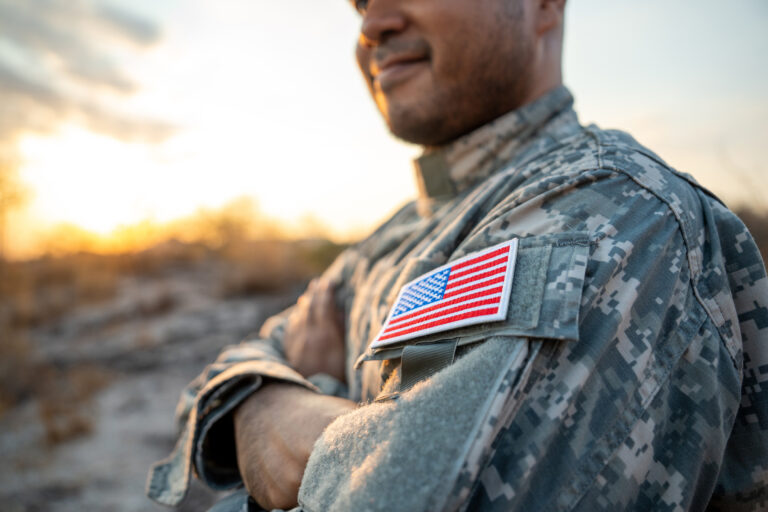
Photo Credit: chanakon laorob
1. What Is Veterans Day?
More than a century ago, the world was fighting World War I. Millions of people had died. Then, at eleven o’clock on the eleventh day of the eleventh month — November 11, 1918 — the fighting stopped.
Imagine being a soldier who had spent years hearing the sounds of battle then, suddenly — an abrupt silence.
After the troops came home, Americans set aside Nov 11 — known as Armistice Day — to honor the sacrifices of thousands who served in that conflict. But World War I was not America’s final war. After World War II and the Korean War, our country broadened the holiday to honor veterans of all conflicts.
In 1954, President Dwight Eisenhower signed the law naming it Veterans Day.
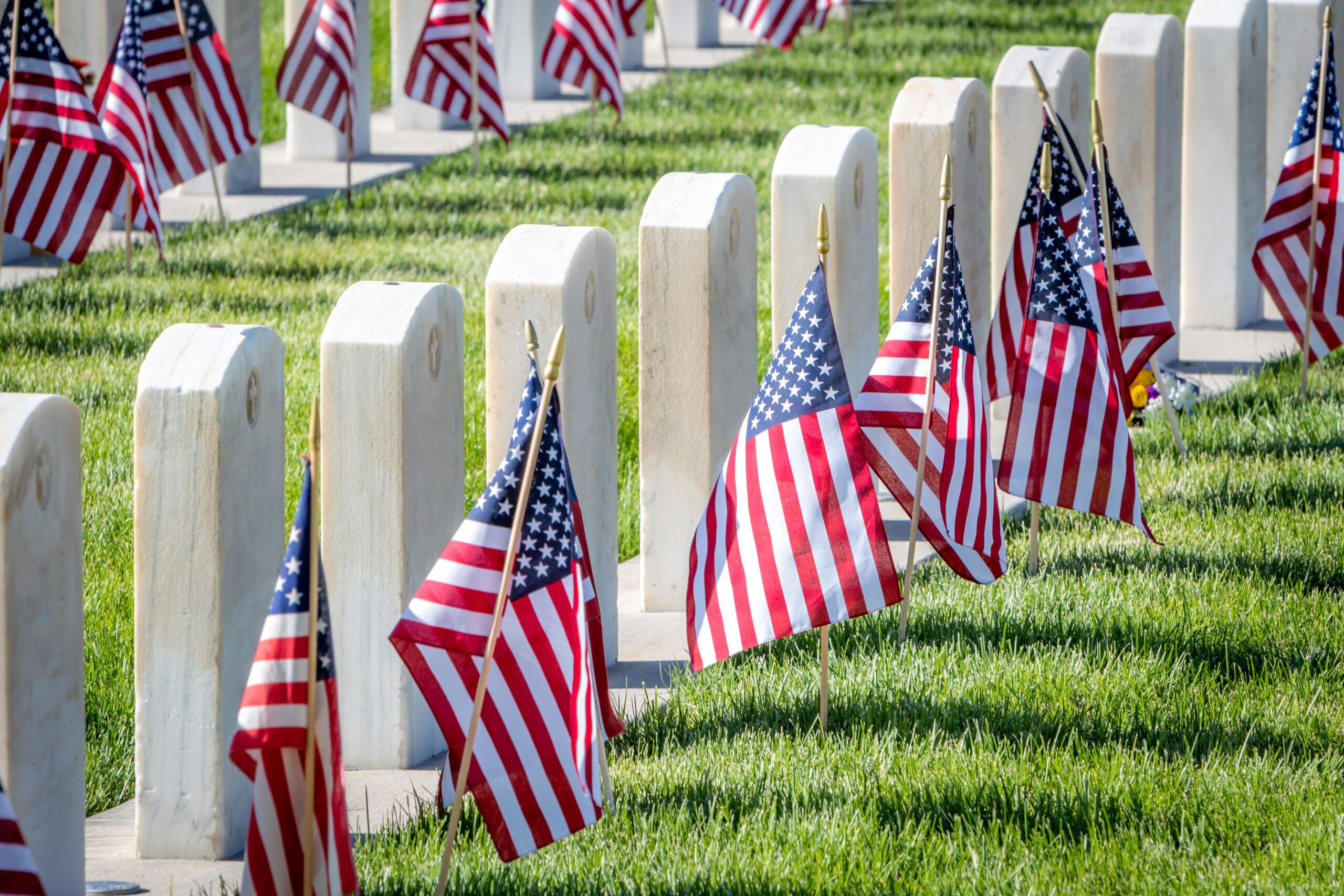
This day is distinctly different than — Memorial Day — which specially honors those who died in military service. Veterans Day honors all who served honorably, including those still with us.
2. Who Are Veterans?
When you picture a veteran what kind of military jobs do you think of?
Soldiers with a rifle, a fighter pilot, or a sailor on a ship? Certainly. But veterans are also doctors, mechanics, intelligence analysts, cooks, nurses, and people whose names will never appear in a history book. Some have fought in wars. Others served in peacetime.
Since 1973, America has relied on an all-volunteer military. People choose to enter military service rather than being called up through a draft. They make that choice knowing they could be asked to leave home, take risks, or place other people’s needs ahead of their own.
I knew one veteran right here at Providence: my physics professor, Dr. Carl Yung.
Before teaching us, Lt Col Yung volunteered to serve as a Marine Corps helicopter pilot in Vietnam. He flew harrowing missions braving enemy fire to rescue American servicemembers. I remember him proudly wearing his uniform on Veterans Day. He advised my senior thesis about the Vietnam War.
He served his country in uniform, and then he continued serving students like me through teaching. Dr. Yung showed me something important about the character of veterans: their service can continue through the time and care they invest in the generations who follow them.
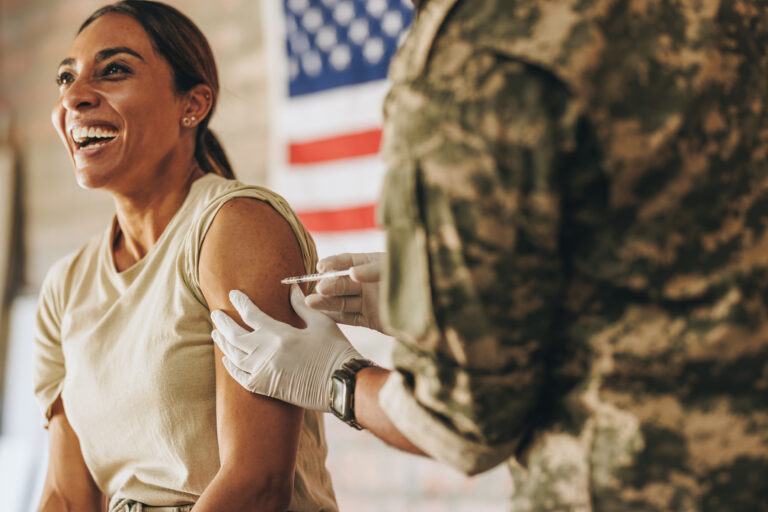
Photo Credit: jacoblund
3. What Have America’s Veterans Sacrificed for Us?
When I was eight years old — about the age of many of you — something happened that changed my life and the course of our country.
On September 11, 2001, terrorists from an organization called al-Qaeda hijacked four passenger airplanes. They flew two into the World Trade Center in New York City and another into the Pentagon, our nation’s military headquarters. On the fourth airplane, the passengers fought back. That airplane crashed in Pennsylvania.
Nearly 3,000 innocent people were killed. I vividly remember watching the attacks unfold on television and realizing that our country was under attack.
That day planted in me a desire to serve. As I grew older, that desire motivated me to pursue an appointment to the Air Force Academy.
After September 11, a generation of Americans volunteered for military service. Many deployed repeatedly to Afghanistan, Iraq, and other places around the world. I’ve had the privilege of serving alongside these extraordinary Americans. While my own service has required sacrifices, I’ve been fortunate. Many people I’ve served beside have given far more than I have.
That’s one reason I wanted to speak to you today: to help you understand what others have given and why their service deserves our gratitude.
Some spent much of their twenties and thirties away from home. They missed birthdays, anniversaries, Christmas mornings, and the ordinary family moments most of us take for granted. Some returned with serious injuries. Others carried difficult memories for years. And thousands never returned home. Their spouses, children, parents, and friends shared the cost of those sacrifices.
And sacrificial service is part of a much longer American story.
Before September 11, Vietnam, and Korea, another generation of Americans faced the enormous demands of World War II. We often call them the Greatest Generation. Millions served to defeat Nazi Germany, Imperial Japan, and their allies. Many were teenagers or young adults with families, dreams, and plans for the future, just like you.
One of them was my great-grandfather, Charles H. Post, Sr. He was a B-24 bomber pilot who trained at Ellington Field, here in the Houston area — the same military installation where I serve today. During a training flight in Kansas, something went terribly wrong. My great-grandfather helped his crew escape from the airplane. He did not survive. His death left my great-grandmother a widow. My grandfather grew up never meeting his father
I think about the responsibility my great-grandfather accepted for his crew, and about the consequences his loss carried for the people who loved him.
Thankfully, most veterans are never called upon to give their lives. Military service, though, often asks for other sacrifices. Parents miss their children’s milestones. A child moves away from classmates and friends because a military parent has been reassigned. A spouse carries the responsibilities of a household alone while a loved one serves far from home. Some veterans continue living with injuries, visible or invisible, long after returning home.
Those sacrifices may never appear in a history book. They matter deeply to the families who experience them.
We honor veterans because generations of Americans have accepted the responsibility of serving something greater than themselves, often at significant personal cost. And that raises another question:
What exactly were they defending?
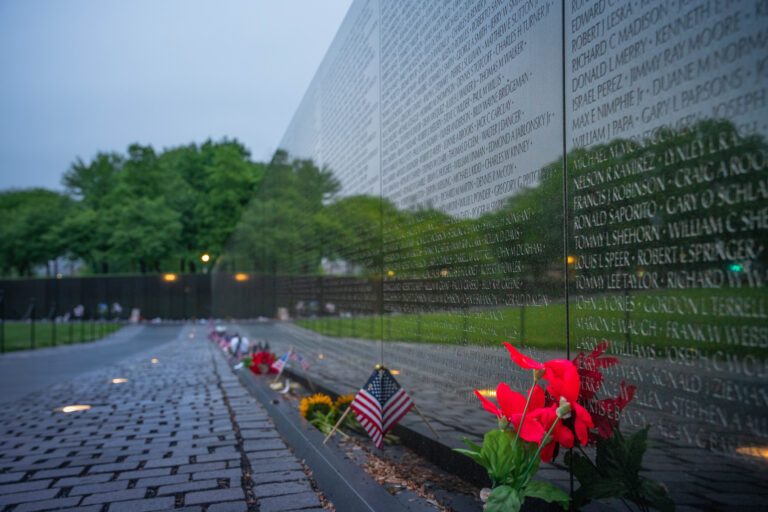
Photo Credit: LD
4. What Is Our Military Defending?
Why does our nation need a military? To put it simply, our military protects America’s citizens and helps safeguard their freedoms by defending our homeland, deterring potential enemies from attacking us, and standing ready to defeat threats when necessary.
We work alongside our allies to protect our shared security, and we maintain a strong, capable military so potential enemies understand the consequences of aggression. Ultimately, our greatest military strength is measured not simply by the wars we can win, but by the wars we can prevent.
Our founders also understood that military power carries enormous responsibility. Armies could defend liberty, but they could also threaten it.
So they established a constitutional republic in which government authority comes from the people, power is divided among different branches, and the military remains under civilian control.
The Constitution gives Congress the authority to raise and support our Armed Forces, establish rules governing them, and declare war. It makes the president, a civilian leader, commander in chief. Civilian leaders make policy within our constitutional system. Military leaders provide professional advice and carry out lawful orders.
The military serves the republic. It does not rule it.
When I became an officer, I raised my right hand and swore to “support and defend the Constitution of the United States against all enemies, foreign and domestic.” I swore my oath to the Constitution — not to a particular president or political party.
George Washington understood this. In 1775, he wrote, “When we assumed the Soldier, we did not lay aside the Citizen.” After the Revolutionary War, Washington surrendered his military command and returned to private life, setting an extraordinary example of military authority yielding to civilian government.
Think about that for a moment.
Our military serves a republic in which free citizens govern themselves under the Constitution.
That is both a privilege and a responsibility worth protecting.
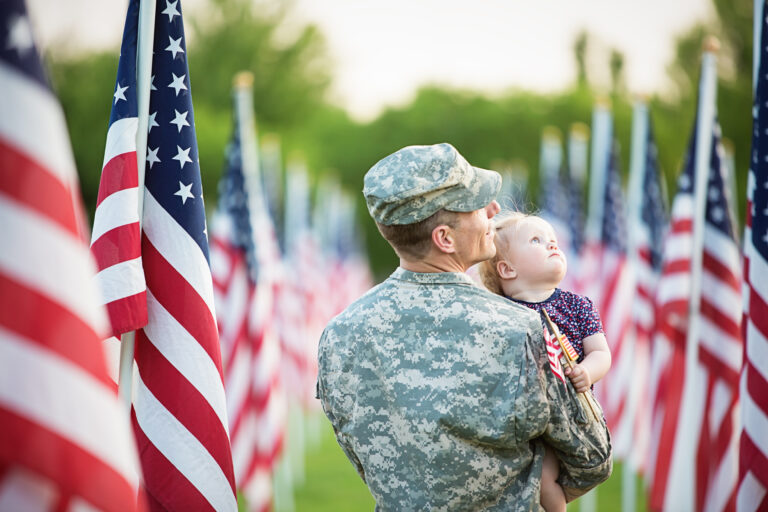
Photo Credit: MivPiv
5. What Does This Have to Do With You?
At Providence, you describe a portrait of a PCS graduate: Character, Knowledge, Discernment, and Communication.
Those lessons followed me from these classrooms into military service. I don’t claim to have mastered them. The longer I serve, the more I realize how much I still need to learn.
First, CHARACTER.
I ran cross-country here at Providence. Our coach – Joe Jones – didn’t tolerate excuses and drove us to demonstrate consistency in all circumstances and put the team ahead of ourselves. Those afternoons of difficult practice helped prepare me for an extremely demanding freshman year at the Air Force Academy.
Second, KNOWLEDGE.
I remember learning geometric proofs at Providence. Some of you may be wondering when you’ll ever use them.
Years later, as a military pilot, I applied those same mathematical principles to a real problem involving precise weapons employment. As it turns out the 45-45-90 proof works whether you’re talking about the 45* angle forming two equal legs of a notional triangle or how a hellfire missile with a 45* impact angle will probably acquire a laser spot aimed under the overhand of a building.
The things you’re learning today may one day become responsibilities you’re trusted to carry.
The final two – DISCERNMENT and COMMUNICATION for me – have been consistently intertwined.
I credit the pursuit of wisdom, and truth I demonstrated through my senior thesis as the foundation of my success leading countess mission debriefs as a Air Force Weapons Officer.
The debrief is one of the most important traditions in military aviation. Effective mission debriefs follow three basic steps – 1. Reconstruct the sortie and compare to the facts to mission’s objectives 2. Focus the debrief to figure out the root cause of why we screwed up 3. Provide instructional fixes to prevent failure next time.
It doesn’t matter whether you’re the newest lieutenant, the most experienced pilot, or the squadron commander. Rank doesn’t shield your performance from scrutiny – our Air Force’s debrief culture expects a relentless pursuit of the truth.
Sometimes this requires admitting your mistake in front of everyone. Sometimes you respectfully challenge someone much more senior. Sometimes you discover that something you felt certain were true simply weren’t.
The point is to discover the truth, identify the root cause, and pass on lessons that make our students and the joint force better.
The debrief and the thesis share many similarities: ask a question, gather evidence, examine assumptions, defend a conclusion, and be willing to change it when the facts require it.
Truth matters more than our pride. That is the foundation of a healthy debrief culture.
That responsibility also extends beyond the squadron. Weapons officers help senior commanders understand what military forces can accomplish, what the law permits, and what a mission requires. Sometimes that means offering a conclusion a senior commander may not expect or want to hear.
The responsibility is to explain what the evidence supports, what the law requires, and what judgment recommends — and to listen carefully in return.
Communication, then, is about much more than speaking well. It’s having the knowledge to speak accurately, the discernment to speak wisely, and the character to speak truthfully.
Those four qualities — Character, Knowledge, Discernment, and Communication — are preparation for faithful service wherever God places you: in a family, school, church, business, or the military.
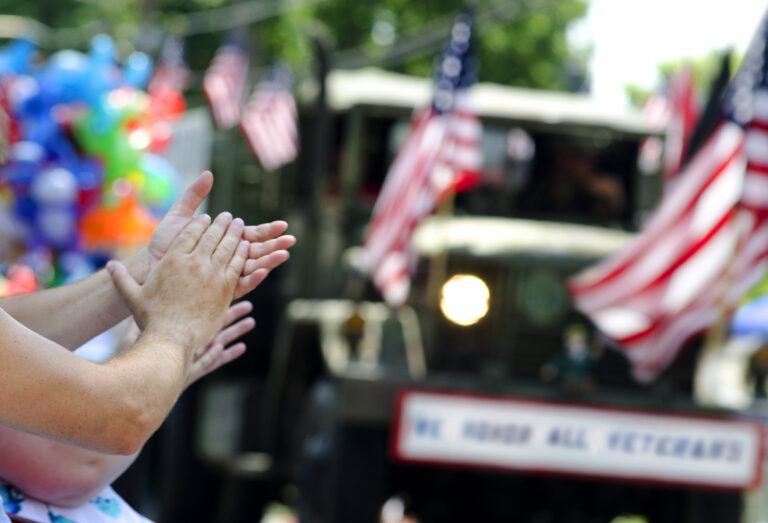
Photo Credit: KenTannenbaum
6. How Should We Honor Veterans?
So what can someone in kindergarten, fifth grade, or high school do to honor a veteran? I want to leave you with three challenges.
First, UNDERSTAND WHAT YOU’VE INHERITED.
Think about some of the freedoms we enjoy as Americans.
- The freedom to worship God according to our conscience.
- The freedom to speak our minds, even when we disagree with our government.
- The freedom of the press to investigate and question those in power.
- The right of eligible citizens to vote and participate in choosing our leaders.
- And the principle that every person deserves equal protection under the law.
These are extraordinary freedoms.
And throughout our history, Americans have struggled, debated, and sacrificed to establish and protect them. Our country hasn’t always lived up to these ideals. But the Constitution gives us a framework for continuing to pursue them.
As students at Providence, you’re learning the history and principles behind these freedoms. I challenge you to understand them and never take them for granted.
Second, TAKE RESPONSIBILITY FOR THOSE FREEDOMS.
Consider what makes you proud to be an American. Then ask yourself another question:
What kind of citizen does our country need me to become?
You have the freedom to speak. Practice speaking truthfully.
You have the freedom to disagree. Learn to disagree respectfully.
You have the opportunity to learn. Take your education seriously.
You have the ability to help others. Use it.
One day, many of you will vote, raise families, lead organizations, or serve your communities. The character you’re developing today will shape how you carry those responsibilities. That’s why your education here at Providence matters.
Finally, GET TO KNOW A VETERAN.
If you know a veteran, ask them about their service.
You might ask, “What inspired you to serve?” or, “How did your military service shape the person you are today?”
Listen carefully to their answer. Some experiences are private, and that’s okay. You might discover that their service involved tremendous hardship. Or perhaps you’ll learn about the friendships, opportunities, and lessons that shaped their lives.
You can also honor veterans by showing kindness to military families, especially those with loved ones serving far from home. These are simple ways to demonstrate genuine gratitude.
And as we come to a close, I want you to remember something.
Honoring veterans does not require agreeing with every war or every decision made by our government.
And serving your country does not require joining the military. America needs thoughtful teachers, nurses, parents, engineers, pastors, public servants, and neighbors just as surely as it needs good military members.
In Closing
When I was a student here, I didn’t yet appreciate the full significance of Dr. Yung wearing his Marine uniform. I was still learning what my great-grandfather’s sacrifice had meant for our family. Today, I’m grateful for the veterans who have taught me, the men and women I’ve served beside, and the families who have shared the costs of service.
So thank a veteran. Remember those who gave their lives. Care for families bearing the burdens of service.
And do something harder than saying thank you: live responsibly with the freedom you’ve been given.
The freedoms we inherit are not ours to waste. They are responsibilities worth passing on.
Thank you, Providence.
God bless our veterans, their families, and the United States of America.
“For even the Son of Man did not come to be served, but to serve, and to give his life as a ransom for many.”
Mark 10:45
To learn more about how Providence Classical School prepares students to live with purpose and impact, watch our Senior Thesis Film and schedule a tour today!
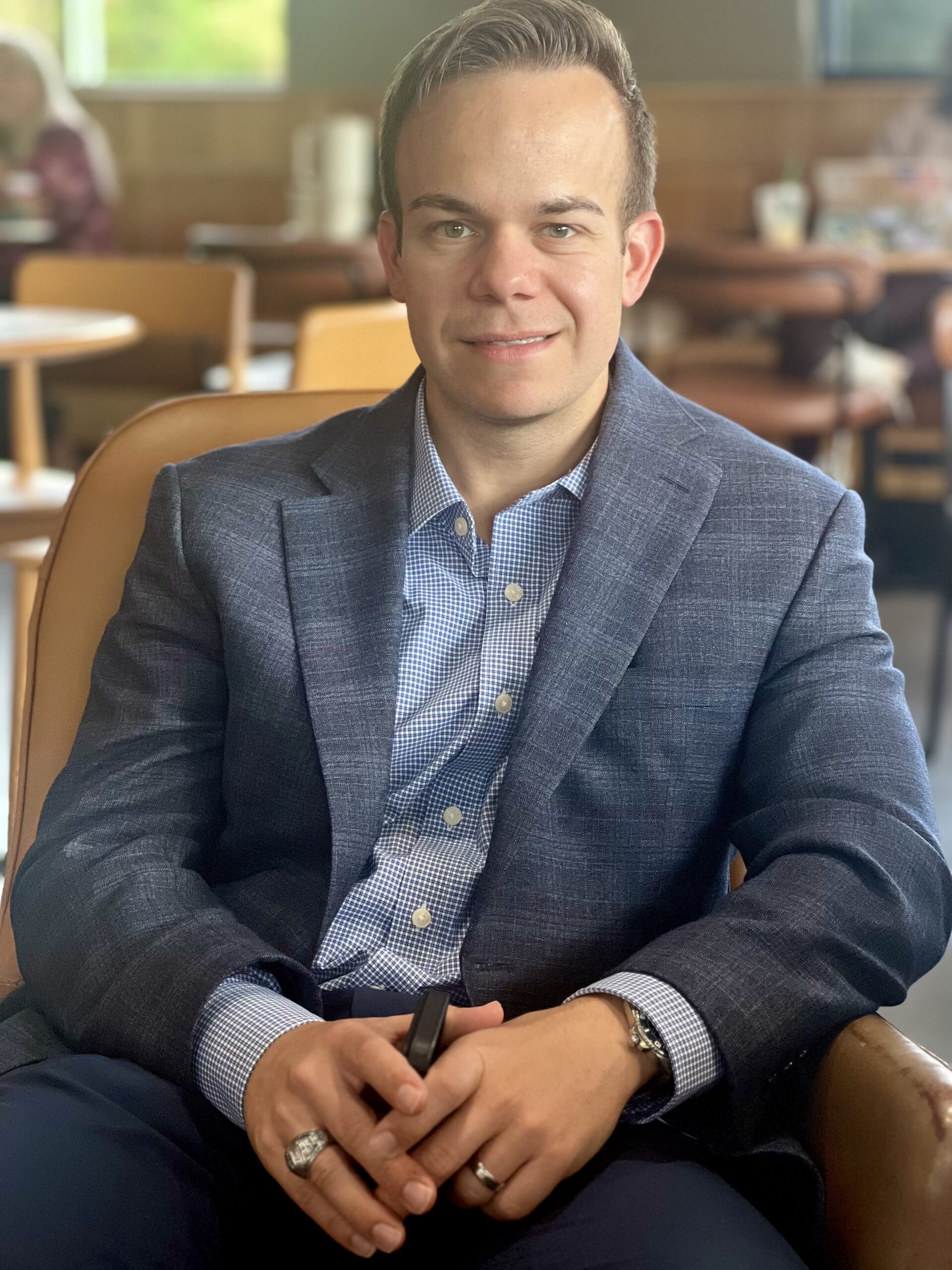
Major Carter H. “Moses” Post
PCS Alumnus Class of 2011
Major Carter H. “Moses” Post is the Chief of Weapons and Tactics for the 111th Attack Squadron at Ellington Field Joint Reserve Base, Texas. He joined the Texas Air National Guard in June 2026, where he leads MQ-9 tactics, weapons employment, instructor development, and combat readiness. In his 11-year Air Force career, he served as an instructor pilot, evaluator pilot, and weapons officer for both the MQ-9 Reaper and RQ-170 Sentinel.
Major Post commissioned in 2015 after graduating from the United States Air Force Academy with a Bachelor of Science in Legal Studies. During his initial assignment at Cannon Air Force Base, New Mexico, he served as a deployed Joint Task Force Battle Captain, Research and Development Officer, and Assistant Flight Commander while flying the MQ-9 Reaper in Air Force Special Operations Command.
Following graduation from the United States Air Force Weapons School in 2021, Major Post was selected as the RQ-170’s inaugural weapons officer for the 30th Reconnaissance Squadron at Creech Air Force Base, Nevada. He subsequently served as the RQ-170’s Chief of Group Weapons and Tactics, leading tactical development for two wings and 80 aircrew. In this role, he developed the Air Force’s premier low-observable instructor cadre, led aircraft testing and joint survivability initiatives, and advanced the integration of penetrating intelligence, surveillance, and reconnaissance capabilities across multiple Combatant Commands and named operations. Prior to departing active duty, he chaired the USAF Low Oberservable Summit, aligning leaders and tacticians across three operational wings on integration and future employment of the B-21 Raider.
Header Photo: dallasgolden